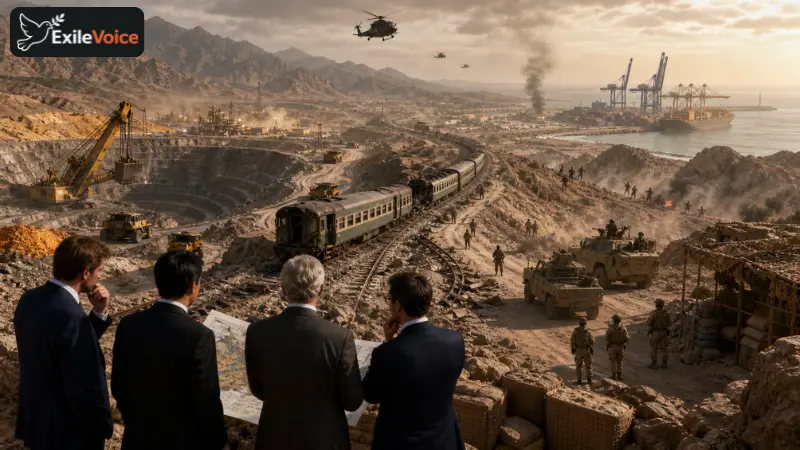
Pakistan’s southwestern province of Balochistan has long been a focal point of geopolitical intrigue, but it is currently at the center of a deepening "investment paradox." While the Pakistani establishment and military leadership have touted the region as a goldmine for mineral wealth, securing partnerships worth $1.5 billion for critical minerals, the reality on the ground tells a story of profound instability. Recent investigative reports highlight a growing skepticism among international stakeholders, particularly the United States, regarding the safety of their capital.
The security situation in Balochistan is characterized by a "fog of war" that frequently obscures the true extent of insurgent reach. In early 2024, a series of coordinated attacks by the BLA (Baloch Liberation Army) targeted multiple strategic locations, including Quetta, Gwadar, and Karachi. Despite heavy military presence, reports indicate that hundreds of insurgents managed to strike "Red Zones" and critical link roads. The Jaffar Express, the only major rail link connecting the province, has become a symbol of this vulnerability, suffering frequent attacks that require constant, costly repairs.
This instability creates a significant friction point for Pakistan’s economic diplomacy. On one hand, the state is modernizing its naval and air capabilities, acquiring Hangor-class submarines from China and securing F-16 upgrade packages from the U.S. On the other hand, the inability to protect a single railway line or ensure the safety of mining sites raises questions about the efficacy of these "high-tech toys" in a low-intensity, asymmetric conflict. For foreign investors, the question is no longer about the potential of the minerals, but the viability of the destination. As the U.S. establishment begins to voice these concerns through major media outlets, Pakistan finds itself at a crossroads: it must choose between surface-level military modernization and the deep-rooted structural security required to sustain a modern economy.