The ripple effects of the West Asia crisis are being felt far beyond the Middle East, fundamentally reshaping the geopolitical and economic ties between India and Bangladesh. As the conflict between the U.S. and Iran disrupts global energy supplies, Bangladesh has found itself in the throes of a severe energy shortage. With electricity and gas scarcities threatening its industrial output, Dhaka has turned toward New Delhi, cementing a relationship that is increasingly defined by energy dependency and geographic necessity.
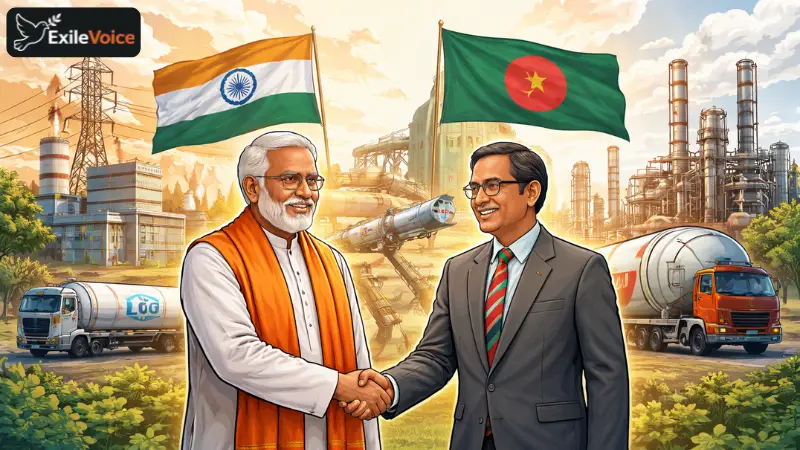
India has seized this moment to reset its relations with its neighbor. Despite facing its own domestic consumption challenges, evidenced by a 13% drop in LPG consumption in March as the government diverted supplies to residential users, India has prioritized energy exports to Bangladesh. Major Indian entities, including the Adani Group, have ramped up electricity supplies, while Indian petroleum companies are ensuring a steady flow of fuel to Dhaka. This "energy diplomacy" is a calculated move to reinforce India’s role as the primary regional power and to counter any lingering influence from rival factions that sought to distance Bangladesh from India following its recent elections.
The appointment of Dinesh Trivedi, a veteran politician and fluent Bengali speaker, as the new envoy to Bangladesh further underscores India’s commitment to this relationship. Trivedi’s political weight suggests that New Delhi views the stability of the Dhaka administration as a top-tier national security priority. Recent high-level meetings between Bangladesh’s Foreign Minister, Khalil-ur-Rahman, and Indian officials like S. Jaishankar and Ajit Doval have solidified this "stop-over" diplomacy into a long-term strategic partnership.
While some political circles in Pakistan hoped for a pivot in Bangladesh’s foreign policy toward Islamabad, the reality of geography remains the ultimate arbiter. Bangladesh is surrounded by Indian territory on three sides, making India its most logical and reliable partner for transit, trade, and energy. The West Asia crisis has merely accelerated this integration. By stepping in as an energy guarantor during a global crunch, India has ensured that Bangladesh remains firmly within its sphere of influence, proving that in South Asian politics, infrastructure and energy are often more powerful than ideological shifts.