The crisis in the Middle East, particularly the tension between the U.S. and Iran, is catalyzing a profound shift in global alliances. As the U.S. intensifies its military and diplomatic pressure, other major powers are beginning to assert their influence. President Xi Jinping of China has recently characterized the current blockade of Iran as a "law of the jungle," signaling a hardening of Beijing's stance against unilateral Western interventions. This shift suggests that the long-standing perception of Washington as the sole arbiter of global crises is being challenged.
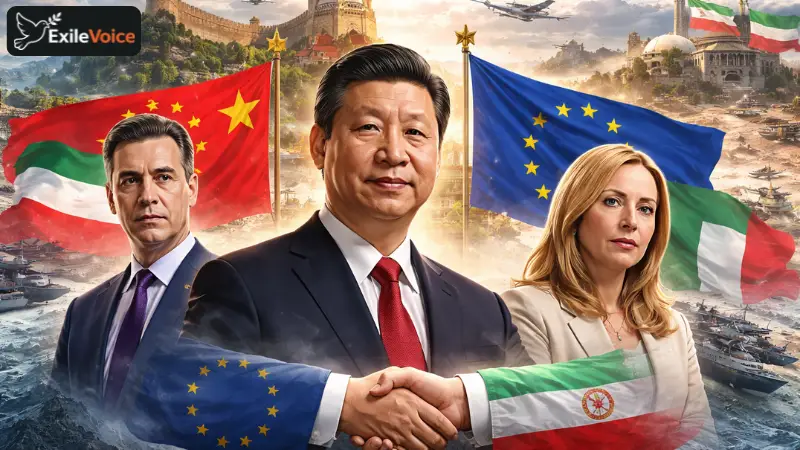
European leaders are also navigating this changing landscape. The recent visit of Spanish Prime Minister Pedro Sánchez to China highlights a growing European sentiment that the "key to solving the Middle East crisis lies in Beijing." This is a significant departure from the post-Cold War era where European foreign policy was almost exclusively aligned with Washington. The influx of European leaders to Beijing, including representatives from Germany, Ireland, and Finland, indicates a desire for a more balanced global order where China plays a stabilizing role.
Furthermore, internal divisions within the Western bloc are becoming more apparent. Italian Prime Minister Giorgia Meloni’s refusal to renew a long-standing defense pact with Israel and her denial of U.S. access to airbases for operations against Iran reflect a burgeoning "Europe-first" approach. This friction is exacerbated by public disagreements between Meloni and President Trump, particularly regarding cultural and religious values. As the U.S. focuses on transactional relationships with regional military powers, it risks alienating traditional democratic allies in Europe who are increasingly looking toward a multipolar world where international law, rather than "the law of the jungle," dictates global conduct.