
Political maneuvering in Pakistan is entering a volatile phase as parties recalibrate strategies around parliamentary committees, new administrative provinces, and shifting centers of authority. Developments highlighted in the commentary point to an outreach effort by the Pakistan Peoples Party toward Pakistan Tehreek e Insaf alongside mounting debate over whether new provinces should be created and who holds decisive decision making power.
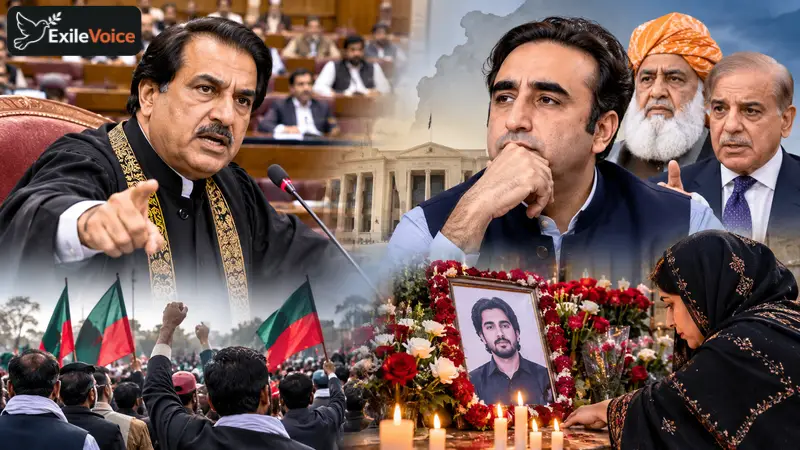
A notable political move discussed in the analysis is the offer by PPP leader Nisar Khuhro to hand over the chairmanship of the Sindh Assembly Public Accounts Committee to the opposition, specifically PTI, in line with the spirit of the Charter of Democracy. While opposition representation on public accounts committees is a standard democratic norm, the offer is interpreted as a strategic opening aimed at building dialogue or securing legislative cooperation on sensitive issues such as new provinces. At the same time, commentary referencing analyst Suhail Warraich suggests that political parties face difficult choices as pressure mounts over provincial restructuring, leaving limited room for traditional electoral calculation.
Within PTI, differing public remarks have underscored internal debate over how to approach negotiations on new provinces. While Aamir Dogar stated that Imran Khan instructed party parliamentarians to hold consultations and bring recommendations back to him for a final decision, conflicting claims circulated regarding whether a directive had already been given to move forward. The central question for PTI leadership and supporters is whether engaging on structural reforms outside Imran Khan's direct approval weakens his leverage as a political prisoner or creates space for strategic bargaining.
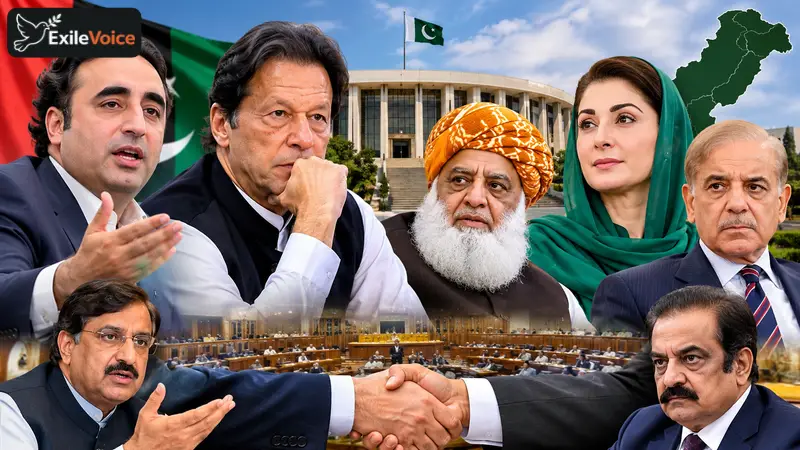
Meanwhile, friction within the ruling setup and state institutions remains visible in both courtrooms and public statements. In Lahore, high court proceedings questioning the detention of JUI F chief Maulana Fazlur Rehman saw police disclaim involvement after party leaders were arrested around a Sargodha gathering, amid reports of phone contact from Chief Minister Maryam Nawaz's office distancing the provincial administration from the moves. Separately, remarks by Rana Sanaullah and Muhammad Malick regarding leadership roles, the durability of the same page arrangement, and perceptions of influence between Shehbaz Sharif, Maryam Nawaz, and military leadership reflect ongoing uncertainty over where real authority resides in Pakistan's hybrid political order.