
Tensions inside Pakistan's political institutions extended from federal debates into provincial governance and public remembrance, highlighted by friction in the Punjab Assembly, renewed discussion over creating new provinces, and commemorative visits marking the anniversary of November 26. Together, these developments illustrate how administrative disputes and historical memory intersect with power struggles in the country.
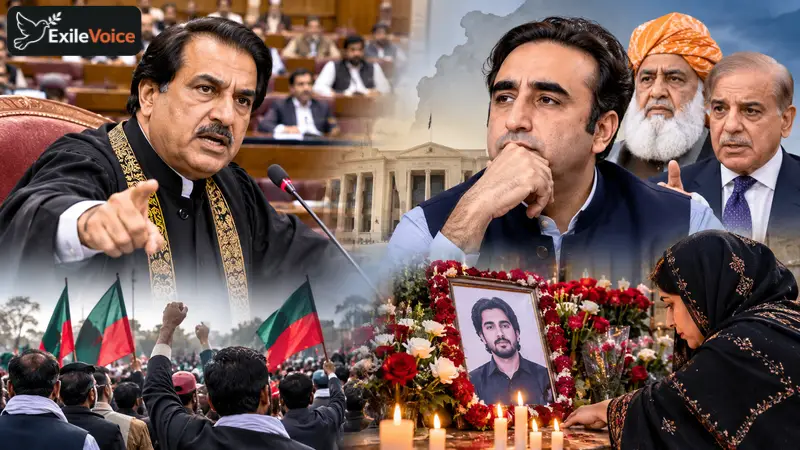
In Punjab, Assembly Speaker Malik Ahmad Khan drew attention by criticizing the repeated absence of provincial ministers from legislative proceedings. According to the critique, ministers failed to attend sessions and fulfill parliamentary responsibilities, forcing agenda items to be postponed across multiple sittings of a seven-day session and disrupting legislative and government business. The speaker directed that a communication be sent to the chief minister regarding the ministers' absence and lack of attention to assembly proceedings.
Political observers viewed the legislative rebuke not merely as a procedural dispute over attendance, but as a sign of underlying friction within the ruling camp in Punjab. While public appearances and released footage sought to project coordination between the provincial leadership and the speaker, legislative pushback over ministerial attendance pointed to deeper strains over authority, governance priorities, and pressure surrounding proposals for new administrative provinces.
Meanwhile, statements from figures across the political spectrum kept the question of new provinces and institutional alignment in the spotlight. Comments from ruling-side voices underscored loyalty to the army chief while dismissing criticism from rival politicians, whereas opposition lawmakers indicated willingness to engage in parliamentary committees and party consultations on provincial questions while leaving final decisions to their incarcerated leadership. Analysts noted that the real test in discussions over new provinces lies in how those deliberations are framed and whether they align with public accountability or serve external political agendas.
Separately, November 26 marked a day of remembrance for PTI supporters and families affected by past protest crackdowns, including visits to bereaved families such as that of Anees Satti by figures like Salman Akram Raja. Supporters and commentators called for continued recognition of political workers and citizens killed during protest events on November 26 and May 9, arguing that honoring sacrifices and supporting affected families is vital to sustaining political resolve and civic memory.