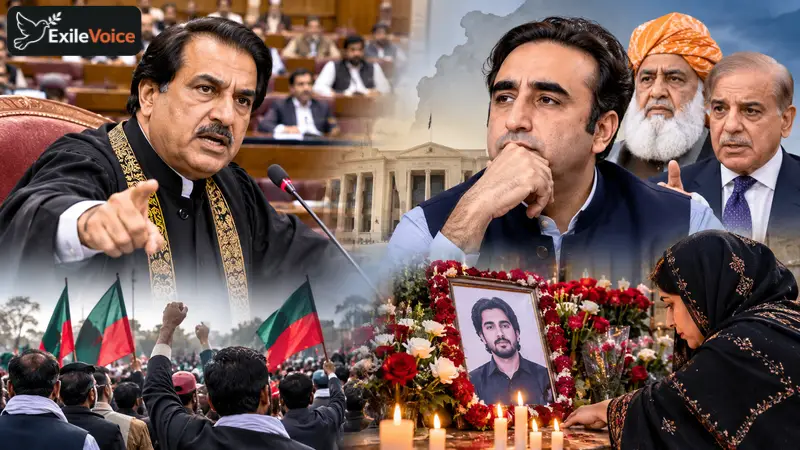

The second anniversary of the November 26 events in Islamabad has renewed intense scrutiny over state force, official narratives, and constitutional accountability in Pakistan. Analysis presented in the commentary links the Islamabad crackdown to wider historical patterns, from the political and linguistic grievances that preceded the 1971 separation of East Pakistan to ongoing security operations and protests in Balochistan, Khyber Pakhtunkhwa, and Azad Jammu and Kashmir. A core argument centers on how state narratives are constructed immediately after crises, how evidence and casualty figures are contested, and why unresolved past abuses continue to shape public trust.
According to the discussion, early political friction in united Pakistan began with disputes over language recognition in the early 1950s, economic and administrative disparities, and unequal disaster relief distribution. These grievances accumulated over two decades and culminated in catastrophic violence and the loss of East Pakistan. The commentary points to the Hamoodur Rahman Commission report as a record of severe abuses that never led to meaningful prosecutions or institutional reckoning. It argues that failing to hold senior figures accountable after 1971 created a precedent in which state power operated without effective checks, allowing similar patterns of coercion and denial to recur in peripheral regions and urban centers alike.
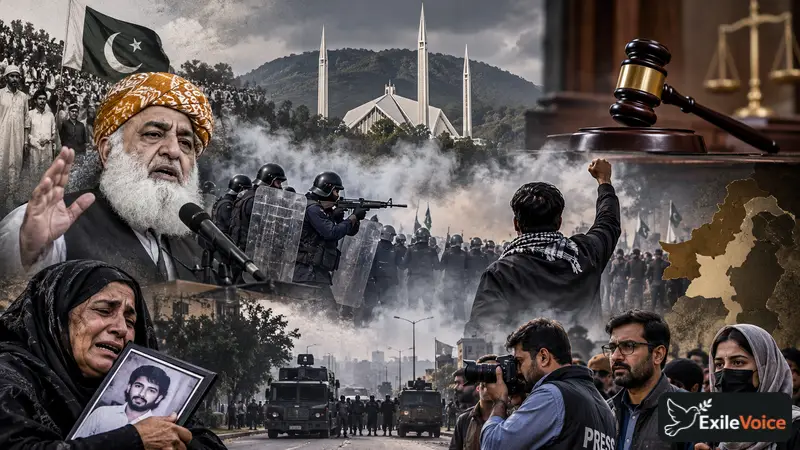
Regarding the November 26 crackdown itself, the commentary examines how competing accounts emerged around the deaths of Rangers personnel and protesters. It notes reports indicating that a civilian driver named Hashim, with no affiliation to Pakistan Tehreek e Insaf, struck Rangers personnel in an accidental collision, yet initial official messaging and allied commentators quickly attributed the fatalities to protesters to justify a sweeping security response under Article 245. Reference is also made to investigative reporting by Drop Site News, alongside coverage cited from Dawn, Geo, Al Jazeera, and journalist Matiullah Jan, regarding the use of force, disputed casualty numbers, families allegedly asked to sign affidavits classifying deaths as ordinary accidents, and court proceedings involving the driver in July 2026 while no officers faced prosecution for shootings.
Beyond the events of November 26, the analysis highlights mounting pressure on dissent, journalists, and political activists. It points to the reported enforced disappearance of Taimur Saleem Jhagra from a police station, the transfer and detention of journalist Shahid Maitla in Quetta following social media criticism, and nocturnal gunfire near peaceful sit ins in Rawalakot amid fears of a major operation. Together, these developments illustrate a sharp clash between official security explanations, judicial oversight in high courts, and public demands for transparency, due process, and constitutional accountability.