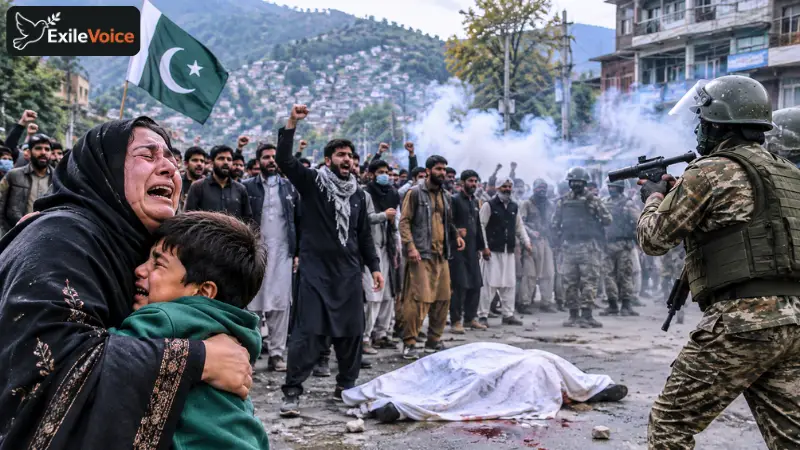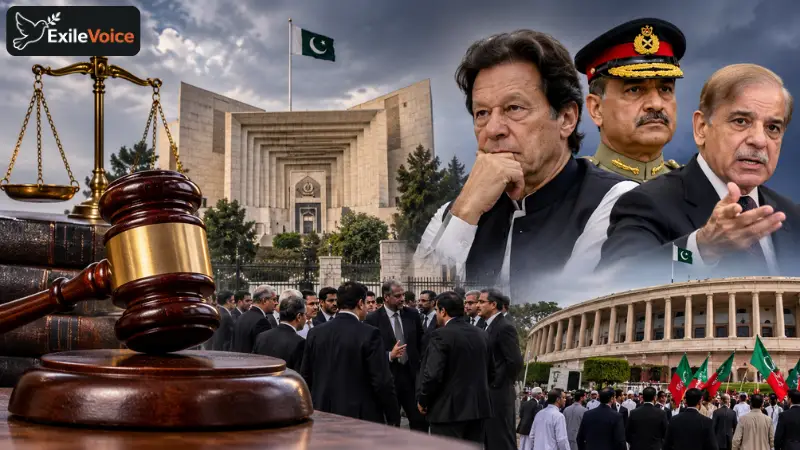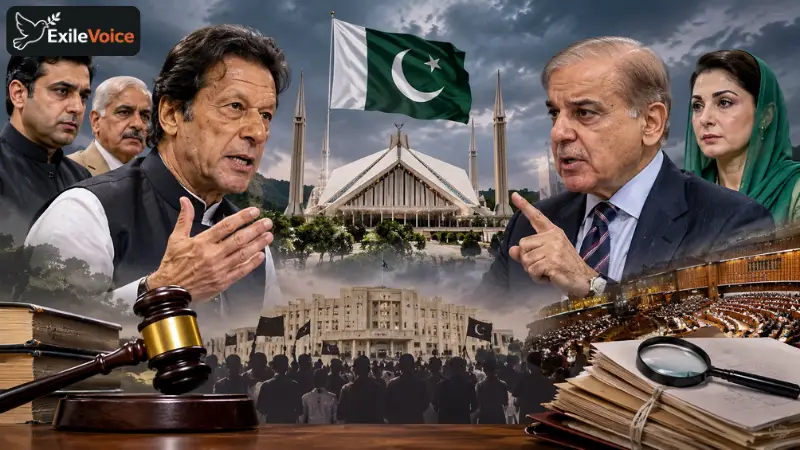
Political dynamics in Pakistan are undergoing significant shifts as internal institutional pressures and public disputes among key political figures come to the surface. Recent developments involve high-profile media campaigns, legal challenges, and allegations of administrative corruption involving regional leadership and federal entities. These events highlight the intricate relationships between political parties, governance structures, and powerful institutional actors.
Legal challenges and public statements by various political representatives have drawn considerable attention to the administrative hurdles facing provincial governments. Accusations of financial mismanagement and the subsequent legal responses from regional administrations indicate growing friction within political alliances. Observers note that these conflicts are symptomatic of broader struggles for influence and narrative control among the country's political stakeholders.
Furthermore, the involvement of various political figures in reciprocal legal actions and public disputes underscores a volatile political landscape. As parties attempt to consolidate their voter bases ahead of future political contests, the strategy of leveraging legal and media platforms has become increasingly prominent. Analysts suggest that these internal strains could redefine political coalitions and reshape governance priorities across federal and provincial levels.