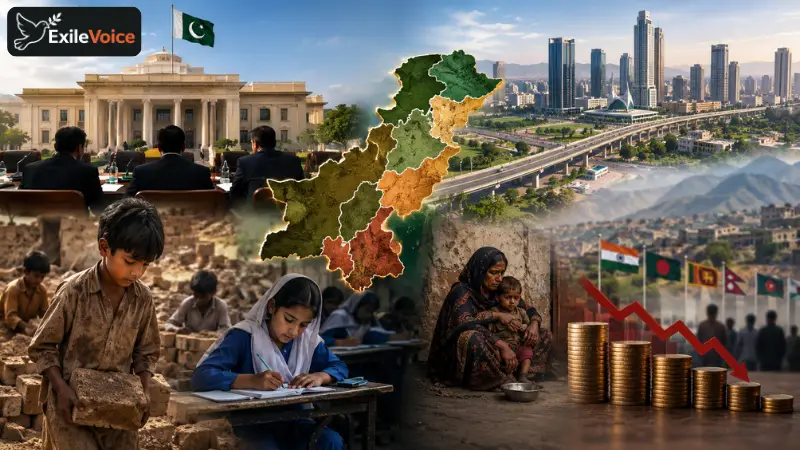
The longstanding diplomatic and economic alliance between Pakistan and the United Arab Emirates (UAE) is currently facing unprecedented strain, marking a potential shift in regional geopolitics. Historically, the UAE has been a cornerstone of Pakistan’s economic stability, serving as a significant source of foreign remittances and a key investor in critical infrastructure. However, recent developments suggest a cooling of relations that could have far-reaching implications for Pakistan's fragile economy.
A primary indicator of this tension is the reported exit strategy of Etisalat, the UAE-based telecommunications giant, from the Pakistan Telecommunication Company Limited (PTCL). PTCL serves as the backbone of Pakistan’s IT and telecom sector. An exit by Etisalat, which currently holds management control, would not only signal a lack of confidence in Pakistan’s market stability but also create a vacuum in the management of essential national infrastructure.
Furthermore, the immediate financial pressure is mounting. The UAE recently withdrew 3.5 billion dollars from Pakistan, a move that directly impacts the country’s foreign exchange reserves. This financial retraction is compounded by reports of Pakistani nationals being terminated from high-level positions in UAE-based entities, such as Etihad Airways. With approximately 1.8 to 2 million Pakistanis working in the UAE, the threat to remittances, which contribute between 7 to 10 billion dollars annually, is a looming crisis.
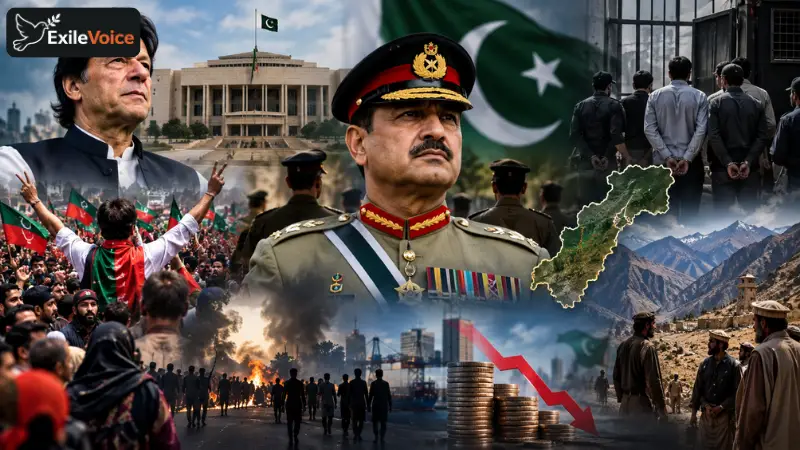
The root of this friction appears to be a shift in Pakistan’s foreign policy approach under the current military leadership. Observers note that Pakistan has traditionally avoided interfering in the internal rivalries of Middle Eastern states. However, recent attempts to play a more active role in regional disputes may have backfired. The lack of a cohesive, professional diplomatic strategy has led to a situation where traditional allies like the UAE and Saudi Arabia are increasingly skeptical of Pakistan’s commitments. As regional powers like Qatar and Saudi Arabia recalibrate their own relationships, Pakistan finds itself in a precarious position, struggling to maintain its footing among its "cousins" in the Middle East.