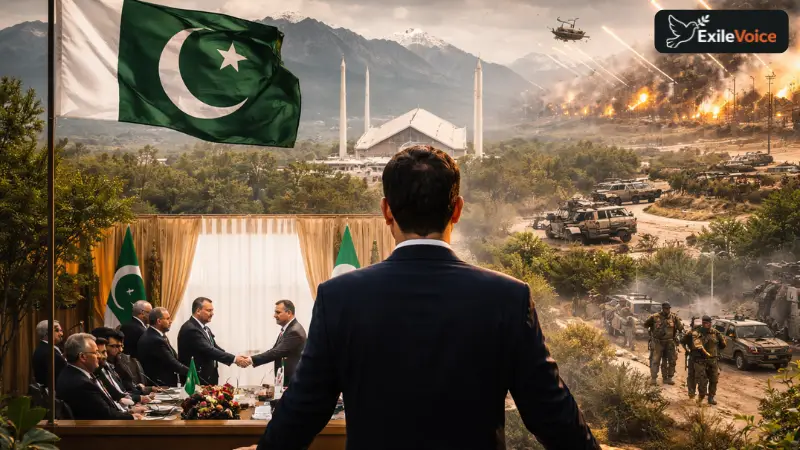
In recent months, Pakistan has increasingly positioned itself as a central mediator in the escalating tensions between regional powers and global interests. This role, often projected through high-level diplomatic engagements and official state narratives, suggests that Islamabad holds the key to de-escalating conflicts that threaten to destabilize the Middle East and South Asia. However, a closer professional analysis of the ground realities reveals a complex tug-of-war between televised diplomatic "victories" and the actual influence exerted on the international stage.
The core of the discussion revolves around whether Pakistan has exaggerated its capacity to act as a neutral arbiter. Historically, Pakistan’s strategic location has made it an indispensable partner for Western powers, particularly the United States, in managing regional security. Yet, as the geopolitical landscape shifts, characterized by a more assertive Iran and a pivot in American foreign policy, the traditional "broker" role is being tested. Critics and analysts argue that while the Pakistani leadership frequently highlights successful mediation efforts, the tangible outcomes often remain elusive or dependent on factors beyond Islamabad’s control.
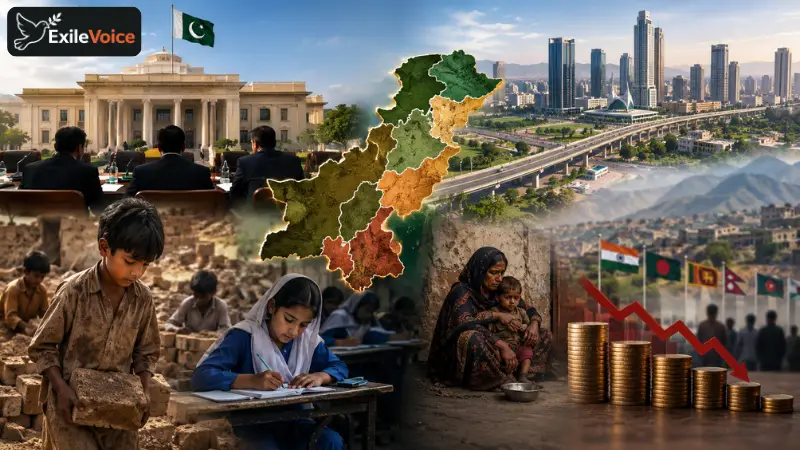
A significant challenge to this mediation narrative is the internal socio-political stability of Pakistan itself. A nation grappling with deep economic hurdles and domestic polarization finds its external "soft power" diminished. When a country’s internal house is not in order, its ability to project authority and inspire confidence in conflicting neighbors is naturally compromised. Furthermore, there is a growing sentiment that the "peace role" is sometimes used as a domestic diversion, a way to foster national pride and legitimacy for the ruling establishment when internal metrics are failing.
Moreover, the relationship with Iran presents a unique set of variables. As Tehran navigates its own complex web of sanctions, military posturing, and regional proxies, Pakistan must balance its neighborly obligations with its commitments to global partners. The "mediation" often looks more like a high-stakes balancing act where one misstep could alienate a vital neighbor or a superpower patron. To truly succeed as a regional peace-maker, Pakistan must move beyond rhetoric and demonstrate consistent, results-oriented diplomacy that is backed by a stable and unified domestic front.
Ultimately, the effectiveness of Pakistan’s regional role will be judged not by the frequency of diplomatic visits, but by the prevention of conflict and the fostering of sustainable economic corridors. Without addressing the underlying economic and political fractures within its own borders, the narrative of being a regional peacemaker may remain an ambitious, yet overstated, ambition.