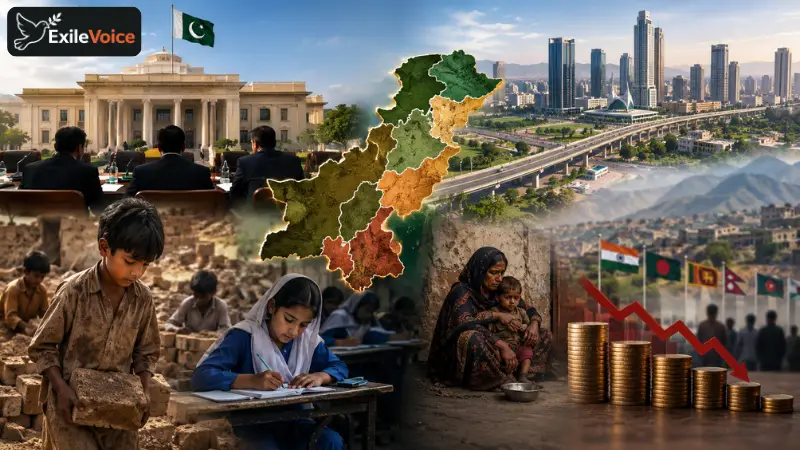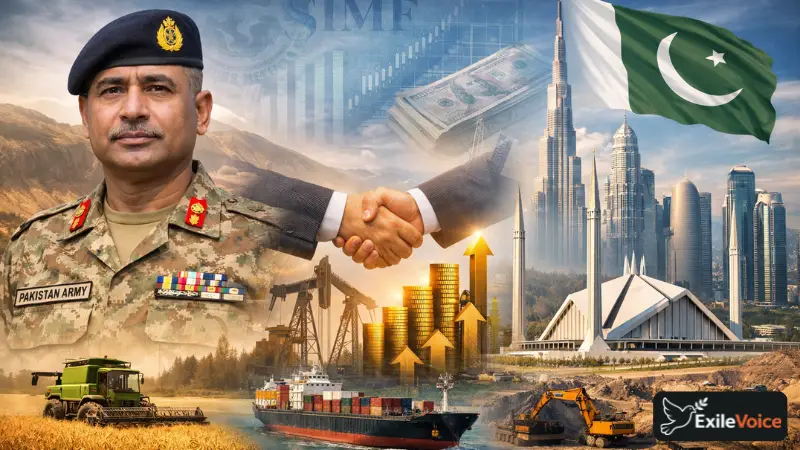
Pakistan currently stands at a critical juncture where the traditional boundaries between military oversight and civilian governance have blurred more than ever before. Under the leadership of General Asim Munir, the Pakistan Army has moved beyond its conventional security mandate to become the primary guarantor of the nation's economic solvency. This shift is most visible through the Special Investment Facilitation Council (SIFC), a body designed to bypass bureaucratic red tape and attract foreign direct investment, particularly from Gulf nations like Saudi Arabia, the UAE, and Qatar.
The central thesis of this new "Pakistan Inc." model is that only the military possesses the organizational discipline and institutional continuity required to navigate a period of extreme fiscal distress. With the national debt reaching unsustainable levels and inflation straining the social fabric, the military leadership has positioned itself as the "Chief Economic Officer" of the state. This involves not just securing IMF bailouts, but also actively managing sectors ranging from agriculture and mining to information technology.
However, this expanded role brings significant risks. Historically, military-led economic interventions in Pakistan have struggled with long-term sustainability because they often lack the transparency and public buy-in necessary for structural reform. To truly "save" the situation, the current leadership must transition from crisis management to institutional rebuilding. The reliance on sovereign-to-sovereign deals may provide a short-term cash influx, but the fundamental issuessuch as a narrow tax base, energy sector inefficiencies, and political instability, require a holistic approach that integrates civilian expertise and democratic legitimacy.
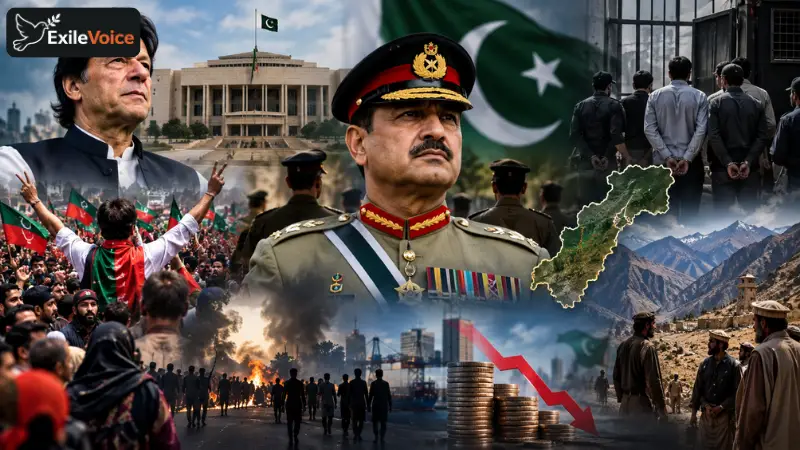
Furthermore, the "Asim Munir Doctrine" faces the challenge of a polarized domestic landscape. The crackdown on political dissent and the suppression of popular movements have created a friction point that could undermine economic goals. Investors prioritize stability, and while the military can provide "enforced stability," it is "organic stability", born of political consensus, that attracts long-term global capital. The path forward for Pakistan requires a delicate balance: leveraging the military’s efficiency to stop the immediate bleed while creating the space for a resilient, civilian-led economic framework to take root.