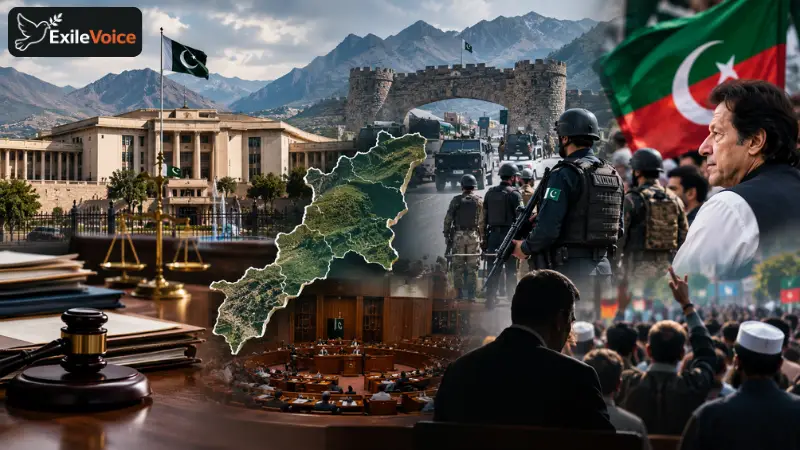
The current economic landscape of Pakistan reveals critical vulnerabilities, marked by depleting foreign exchange reserves and a steady decline in exports. Recent policy adjustments and administrative decisions reflect intense financial pressures on the state apparatus. Reports indicate that administrative leadership has pursued substantial external financial support, including formal requests to international allies and global partners for stabilization funds and deferred oil payments. Analysts point out that mounting fiscal deficits, coupled with rising public expenditures, have severely constrained the national economy. Critical infrastructure projects, such as those associated with the China Pakistan Economic Corridor (CPEC), have faced security challenges and operational disruptions in regions like Balochistan, further impacting foreign direct investment and trade stability. While government officials and aligned economic analysts defend these fiscal maneuvers as necessary stabilization strategies, critics argue that heavy reliance on external borrowing without structural reforms deepens the economic crisis. The burden of these macroeconomic policies ultimately falls on the populace, manifested through high inflation, escalating utility costs, and reduced purchasing power, raising urgent questions about long-term fiscal sustainability and sovereign economic management.
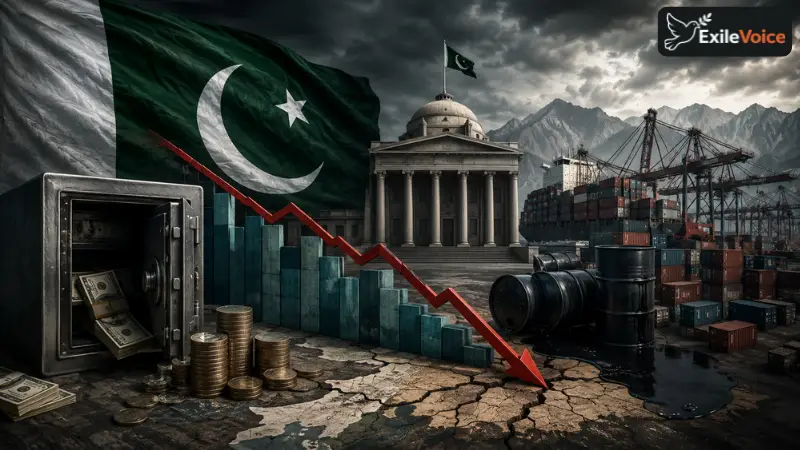
Pakistan's Economic Strain and Foreign Financial Appeals
AI Quick Read
- Pakistan's foreign exchange reserves and export volumes continue to decline significantly.
- Administrative leadership has sought substantial stabilization funds and oil supply facilities from international partners.
- Security disruptions in Balochistan have led to operational setbacks for key foreign-backed infrastructure and mining projects.
- Rising inflation, utility costs, and heavy borrowing place immense financial pressure on the general population.