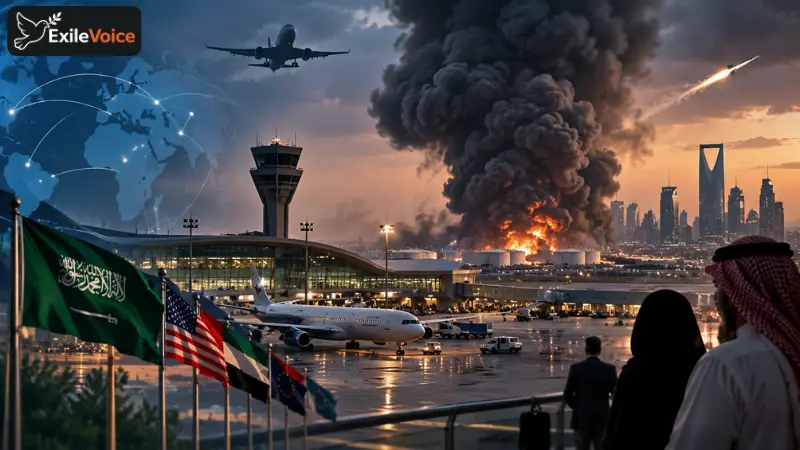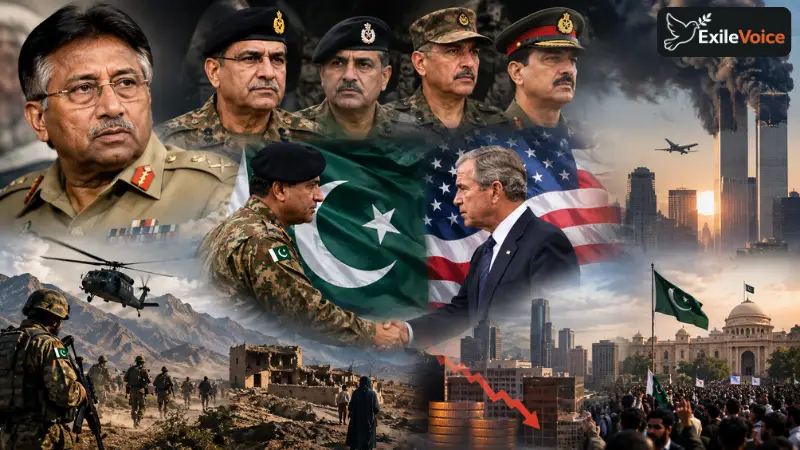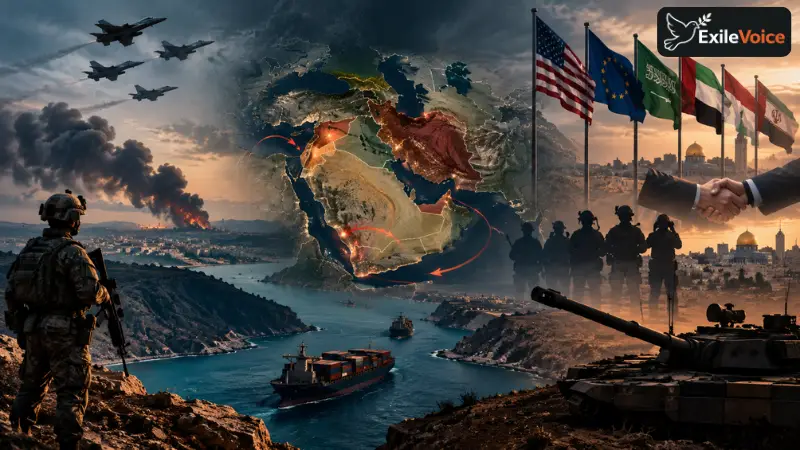
The geopolitical landscape in the Middle East and surrounding regions continues to experience rapid transformations, driven by escalating conflicts, strategic realignments, and shifting military capabilities. Recent events underscore a heightened state of alert among regional powers as security threats evolve beyond traditional boundaries.
Strategic analyses indicate that military engagements involving state and non-state actors are reshaping border dynamics and international trade routes. The involvement of various factions in regional conflicts has prompted a reassessment of defense postures among major allies. Furthermore, diplomatic channels are being heavily tested as nations attempt to mitigate the fallout from localized escalations that threaten broader regional stability.
In response to these developments, defense planners are focusing on intelligence-sharing, tactical readiness, and multilateral cooperation. The capacity of regional and international powers to deter aggressive maneuvers will largely determine the future security architecture of the affected zones.