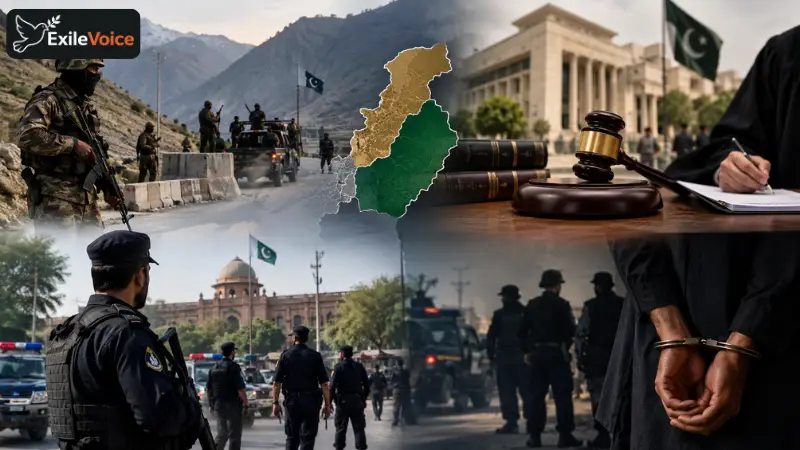
Organizational restructurings within armed forces represent essential operational shifts designed to address internal security requirements, external defense postures, and institutional succession planning. When a military framework executes broad changes involving key promotions and leadership rotations across major operational commands, the impacts reach far beyond routine personnel administration. These movements signal long-term strategic directions, institutional priorities, and the tactical focus of security institutions.
The elevation of senior officers to higher flag ranks involves comprehensive evaluation metrics, including operational command history, staff appointments, and strategic planning expertise. Introducing new leadership into top operational tiers ensures organizational continuity while bringing fresh perspectives to complex security environments. Newly promoted officers placed in command of regional corps units take on direct responsibility for border management, counter-insurgency frameworks, and civil assistance tasks.
Command rotations at the corps level alter regional operational readiness and administrative strategies. Each operational command faces distinct challenges, ranging from urban security oversight and border security to counter-terrorism operations. Rotating commanders across these diverse domains ensures that the broader command structure maintains adaptive capability. Furthermore, command realignments allow the central leadership to calibrate its response to emerging threat profiles, aligning specific administrative styles with localized security requirements.
Beyond operational readiness, senior command changes influence institutional policy formulation within military councils. The collective perspective of corps commanders directly shapes institutional evaluations of national security threats, infrastructure defense, and civil-military coordination during crises. Consequently, major promotions and structural rotations recalibrate the internal decision-making environment, establishing institutional focus areas for subsequent operational cycles.
Understanding senior command realignments requires assessing both individual qualifications and broader institutional strategy. By examining these organizational shifts, strategic analysts gain critical insights into how military structures prepare for evolving security dynamics and maintain operational effectiveness across complex domestic and regional landscapes.