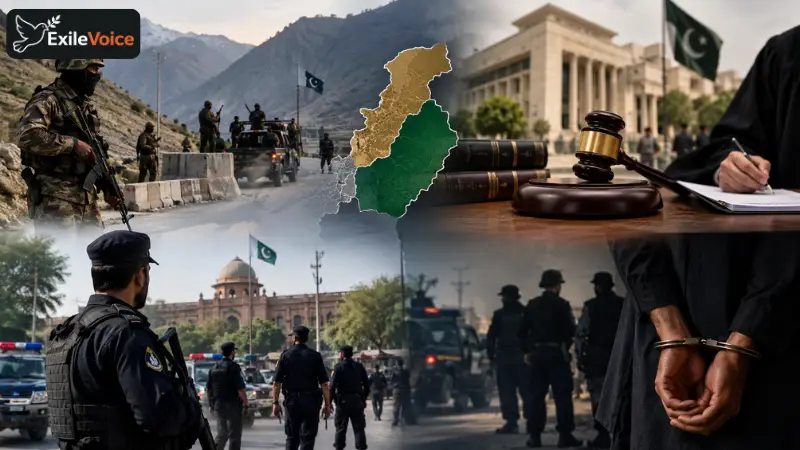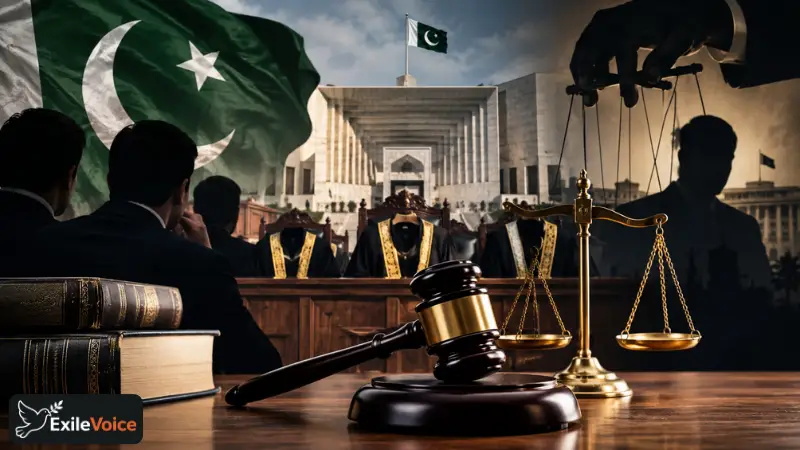
The debate over judicial independence and political influence in Pakistan’s higher court appointments has reached a boiling point. Recent discussions regarding judicial succession and candidate evaluations for top court positions have exposed deep structural vulnerabilities within the country's legal governance framework. At the center of this controversy are allegations of political favoring, strategic appointments, and executive overreach designed to align judicial rulings with executive preferences.
Legal scholars and constitutional analysts emphasize that an independent judiciary is the ultimate safeguard of a functioning democracy. However, political factions frequently attempt to influence judicial appointments to secure favorable outcomes in high-profile constitutional cases. Reports surrounding shortlisted candidates for top judicial roles have ignited debate over whether merits-based appointments are being compromised in favor of political expediency.
Beyond judicial appointments, broader questions surrounding executive overreach and regulatory governance dominate the institutional debate. Controversies regarding administrative spending, emergency powers, and provincial security allocations highlight growing friction between state institutions. When judicial processes are perceived as politically motivated, public trust in legal institutions diminishes, undermining rule of law and constitutional predictability.
To restore integrity to the judicial nomination process, legal experts advocate for transparent selection criteria, institutional independence, and minimal executive interference. Ensuring that judicial appointments remain immune to political bargaining is essential for protecting constitutional rights and maintaining institutional balance across Pakistan’s administrative architecture.