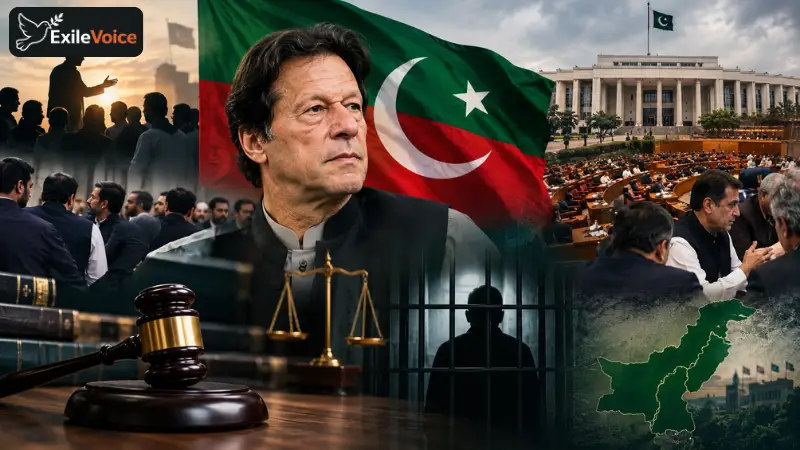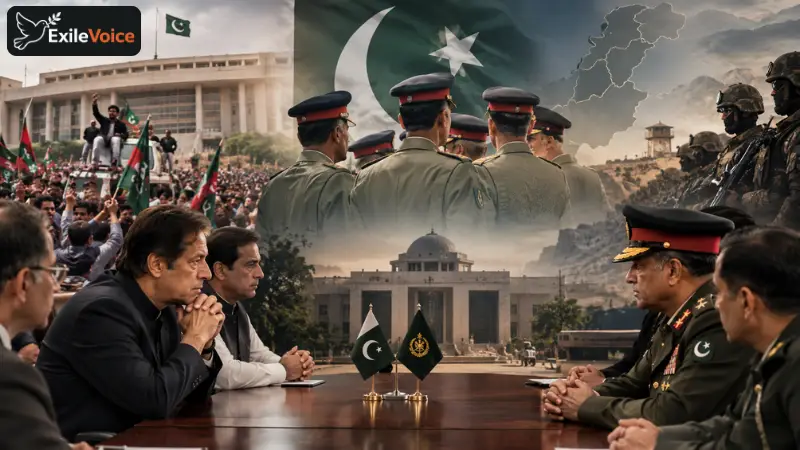
When political stalemates reach critical thresholds, the institutional balance between civilian political entities and military structures becomes the central vector of national stability. In contemporary political transitions, back-channel negotiations frequently run parallel to public institutional posturing, creating a complex dual-track environment. Navigating these concurrent signals requires evaluating how political actors manage street leverage, administrative authority, and structural pressures from security institutions.
A core dimension of political bargaining lies in the distinction between overt institutional warnings and covert tactical negotiations. Security institutions often utilize structured signaling, such as high-level military conferences, strategic press statements, or strategic reshuffles among top leadership, to establish firm boundaries regarding internal security and civil order. Simultaneously, political factions use protest mobilization, regional legislative support, and public narratives to compel the state apparatus toward compromise. When these two opposing dynamics collide, political brinkmanship either resolves through calculated back-channel arrangements or degrades into administrative impasses.
In current power calculations, structural realignments within military leadership play a critical role. Routine or strategic transfers of high-ranking military commanders alter regional administrative oversight and institutional posture. When high-level promotions or corps commander reassignments occur alongside ongoing political talks, political analysts look for signs of institutional realignments or strategic shifts in civil management. Promotions of senior officer tiers signal institutional continuity, whereas administrative repositioning frequently reflects evolving security priorities in response to domestic volatility.
Furthermore, political parties operating from provincial centers of power use regional administration to build structural leverage against central authorities. By leveraging provincial resources, legislative resolution mechanisms, and local governance channels, political movements build strategic depth. This provincial-federal friction puts immense strain on federal arrangements, testing the limits of constitutional powers such as executive interventions or emergency administrative provisions.
Ultimately, back-channel dialogue in deep-seated political disputes depends on the mutual recognition of limits. Civil leadership seeks assurances regarding political operating space, judicial recourse, and electoral fairness. Conversely, state institutions prioritize law and order, institutional authority, and the preservation of administrative frameworks. Understanding these strategic choices provides clear context for evaluating whether high-stakes negotiations will yield structured political settlements or prolong institutional paralysis.