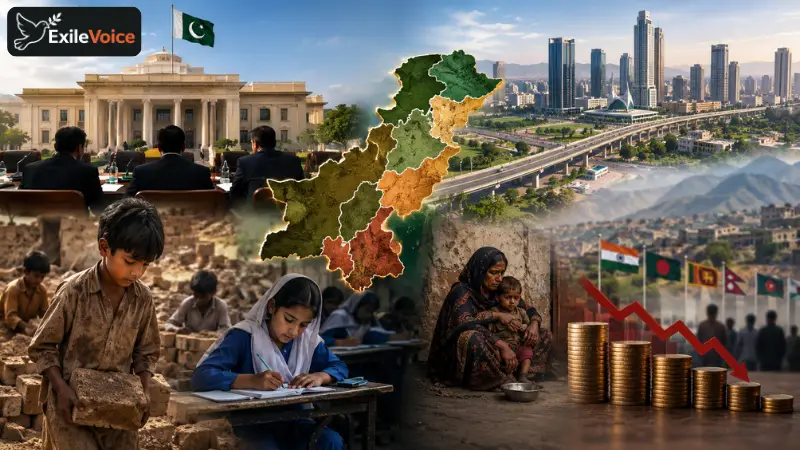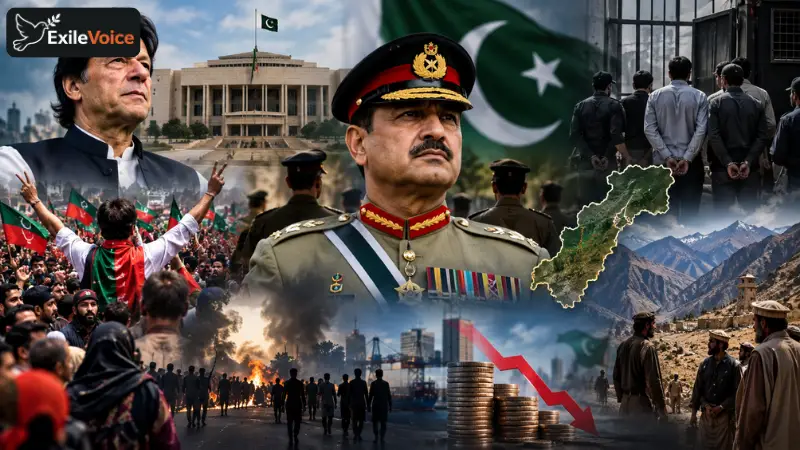
The economic landscape of Pakistan is currently facing an unprecedented crisis of confidence. Recent statements from the Interior Minister, Mohsin Naqvi, have sent shockwaves through the financial sector: an estimated $100 billion has been illegally funneled out of the country via "hundi" and "hawala" channels over the past three years. This massive capital flight represents a significant portion of the nation's potential wealth and highlights a profound lack of trust in the domestic banking and political systems.
The Special Investment Facilitation Council (SIFC), established with high expectations of drawing $100 billion in investment from Gulf nations like Saudi Arabia and the UAE, has yet to see those figures materialize. Instead of the promised influx of foreign direct investment (FDI), the country has seen its investment levels drop to a 50-year low. The narrative of "economic revival" through military-backed oversight has struggled to gain traction with international investors who remain wary of the country's political instability and the "Form 47" governance model.
A critical component of this economic failure is the decline of the Roshan Digital Account (RDA) initiative. Originally designed to attract remittances from overseas Pakistanis, the program has stagnated as the diaspora's trust in the current administration wanes. The government’s attempt to recoup lost funds by threatening "to pick up a few people in Karachi" is viewed by experts as a desperate and counterproductive measure. Real economic recovery requires institutional transparency and political legitimacy, neither of which are currently perceived as being present. The reliance on "swapping debt", taking loans from Saudi Arabia to pay back the UAE, is a zero-sum game that does not address the underlying structural deficits of the Pakistani economy.