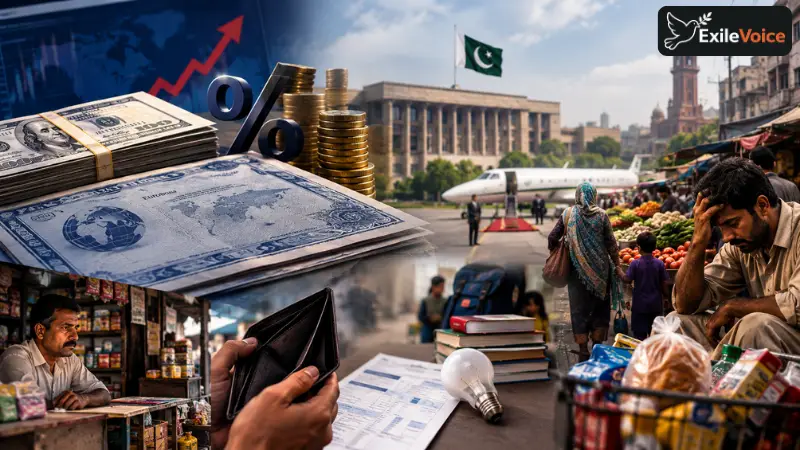
Pakistan is navigating one of its most severe socioeconomic contractions in recent history. A recent World Bank assessment highlights a stark demographic reality: Pakistan now accounts for nearly 48 percent of all individuals living below the lower-middle-income poverty line (defined as earning under $3.20 per day) across the Middle East, North Africa, Afghanistan, and Pakistan region. This alarming concentration of poverty reflects broader structural weaknesses, persistent inflation, and declining foreign direct investment.
At the heart of this economic strain is the rapid erosion of purchasing power. Domestic inflation reached cumulative heights of nearly 40 percent over recent years, drastically outstripping household wage growth. For millions living near or below the poverty threshold, daily subsistence has become an ongoing struggle, forcing families to make extreme sacrifices in food consumption, healthcare, and basic nutrition.
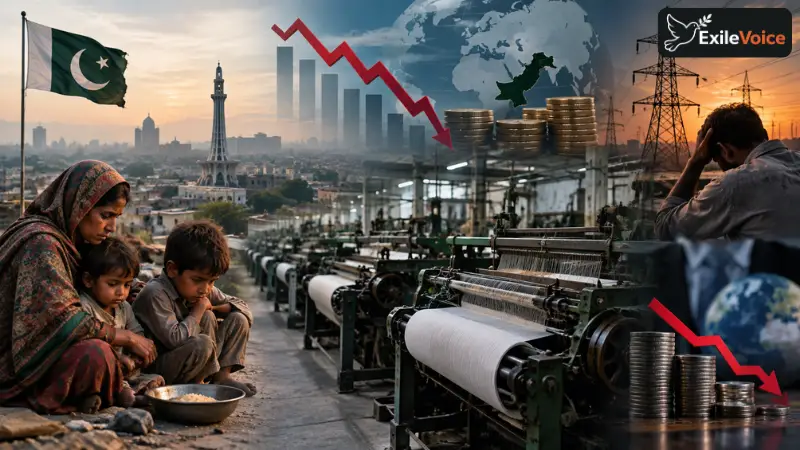
Simultaneously, industrial heartlands like Faisalabad, long regarded as the textile powerhouse of South Asia, are facing acute operational bottlenecks. Reports from regional manufacturing associations indicate that over 40 percent of Faisalabad’s estimated 800,000 power looms have ceased operations. High energy tariffs, soaring raw material costs, and reduced international order volumes have rendered small to medium manufacturing units unviable. This industrial slowdown directly threatens over 100,000 skilled and semi-skilled manufacturing jobs, exacerbating urban unemployment and economic distress.
In addition to industrial closures, macroeconomic indicators highlight a wider climate of investor caution. Foreign direct investment (FDI) inflows have dipped below 1 percent of Gross Domestic Product (GDP), reflecting uncertainty regarding regulatory consistency, security concerns, and fiscal policy. Meanwhile, fiscal burdens have disproportionately fallen on fixed-income earners and corporate taxpayers, as administrative revenues attempt to offset growing budget deficits. Without immediate structural reforms aimed at stabilizing energy costs, restoring investor confidence, and expanding targeted social safety nets, Pakistan's industrial base risks prolonged stagnation with severe long-term human development consequences.