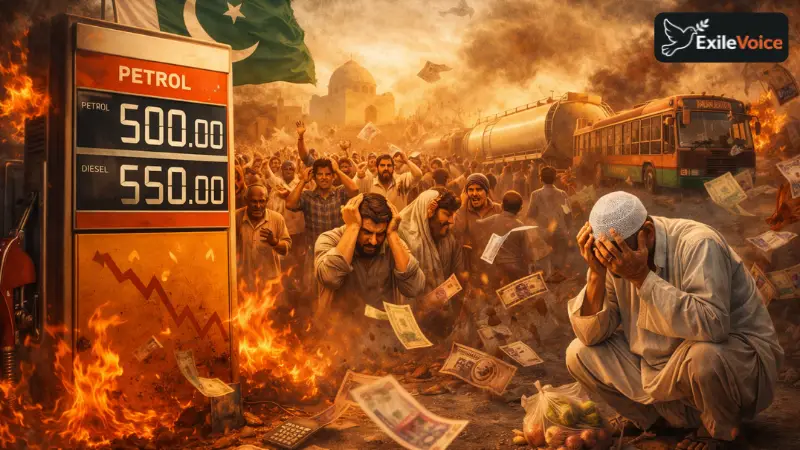
The economic landscape of Pakistan has reached a critical juncture as the nation grapples with the most significant energy price surge in its history. In early April 2026, the government announced a staggering increase in petroleum products, pushing diesel prices to an unprecedented 550 PKR per liter and petrol to nearly 500 PKR per liter. This development is not merely a fluctuating market trend but a systemic shock to an already fragile economy burdened by high inflation and a persistent balance of payments crisis.
The immediate cause of this spike is attributed to the escalating conflict in the Middle East and the resulting disruption of global energy supply chains. As the "Trump Doctrine" shifts maritime security responsibilities in the Strait of Hormuz, the volatility in international oil markets has translated into immediate domestic pain for Pakistani consumers. The removal of critical subsidies, which the government had briefly maintained during intense diplomatic maneuvers, has left the public exposed to the full weight of global price surges.
Critics point to a disconnect between the state’s high-profile international diplomacy and the deteriorating domestic reality. While Pakistani officials were recently lauded in Tehran and celebrated for their role as mediators between regional powers, the tangible benefits for the ordinary citizen remain absent. The celebration of "shuttle diplomacy" and the momentary international spotlight on Pakistani leadership have failed to provide any "energy relief" or economic stability at home. Instead, the focus on building professional profiles and securing international headlines appears to have come at the expense of sound domestic governance.
The ripple effects of these price hikes are expected to be devastating. Transportation costs, which underpin the price of almost every essential commodity, including food and medicine, will inevitably rise, further fueling double-digit inflation. Small businesses and the agricultural sector, the backbone of the Pakistani economy, are particularly vulnerable to the rising cost of diesel.
As the nation faces this "Pathetic Petrol Party," the resilience of the populace is being tested. There is a growing sentiment that the state’s priorities are misaligned, favoring geopolitical posturing over the fundamental need for affordable energy and economic security. Without a comprehensive strategy to diversify energy sources and stabilize the domestic market, the current crisis threatens to deepen the socio-political polarization within the country.