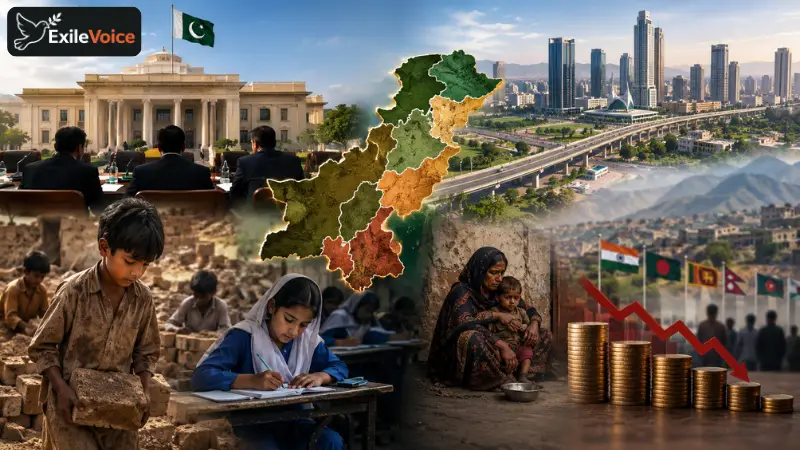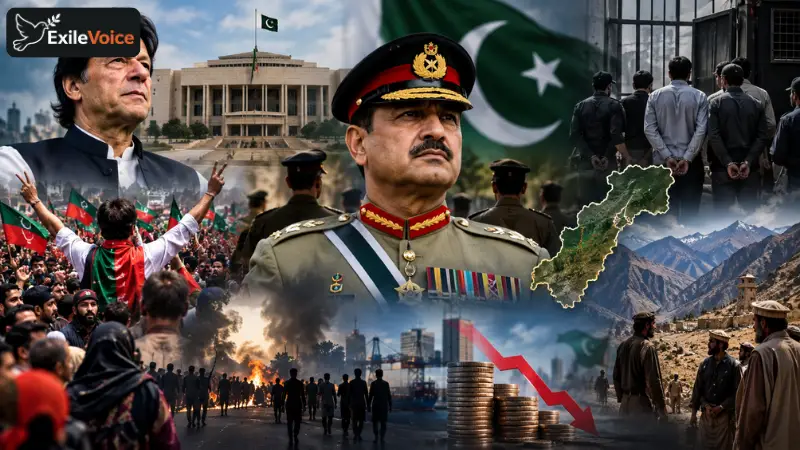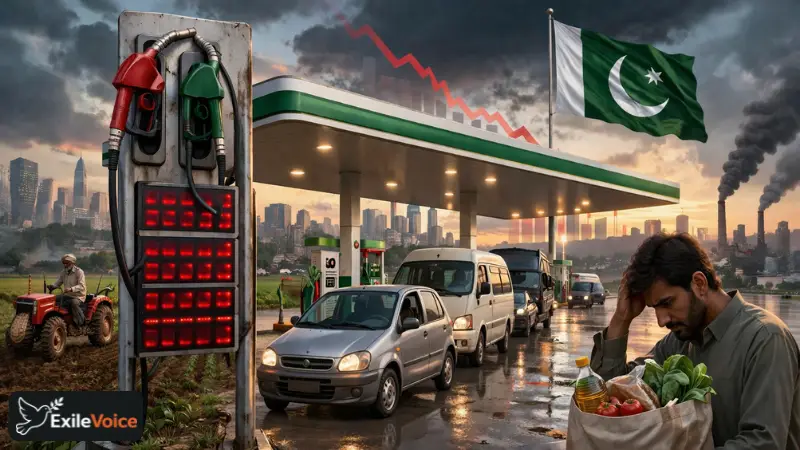
Pakistan’s economic landscape has been jolted by a massive surge in petroleum prices, marking a historic high for the country. As of early April 2026, the government has authorized a staggering increase, setting the new price of petrol at approximately 458.40 PKR per liter and diesel at 520.35 PKR per liter. This recent hike represents an increase of over 137 PKR for petrol and 184 PKR for diesel in a single adjustment period.
These figures place Pakistan among the most expensive countries in the region for fuel, surpassing the retail rates in neighboring nations such as India, Bangladesh, and Afghanistan. Furthermore, when adjusted for purchasing power parity, the cost of fuel in Pakistan now exceeds that of several developed nations, including the United States. This development has sparked widespread concern among economic analysts and the general public, as fuel prices are a primary driver of inflation across all sectors of the economy.
The government has attributed these drastic measures to the ongoing volatility in international oil markets, exacerbated by regional conflicts. However, critics argue that the administration is using the global crisis as a cover to impose additional taxes. Reports indicate that while other nations are reducing fuel taxes to provide relief to their citizens during this global energy spike, Pakistan has added an extra 20 PKR in tax on top of the market-driven price increase.
The impact of this "energy shock" is expected to be felt immediately in the transportation and agricultural sectors. For a country already struggling with a high cost of living and a depreciating currency, the secondary effects on food prices and essential services could be devastating. The administration’s claim that the economy was on the verge of a miraculous recovery prior to the outbreak of regional hostilities is being met with skepticism, as the current fiscal measures appear to prioritize revenue collection over public welfare.
As the nation grapples with these record-breaking prices, the focus shifts to long-term energy security. The sudden shift in policy regarding renewable energy, specifically the rollback of benefits for solar net metering, has further complicated the transition to alternative power sources. For the average Pakistani, the current energy trajectory suggests a period of prolonged financial hardship.