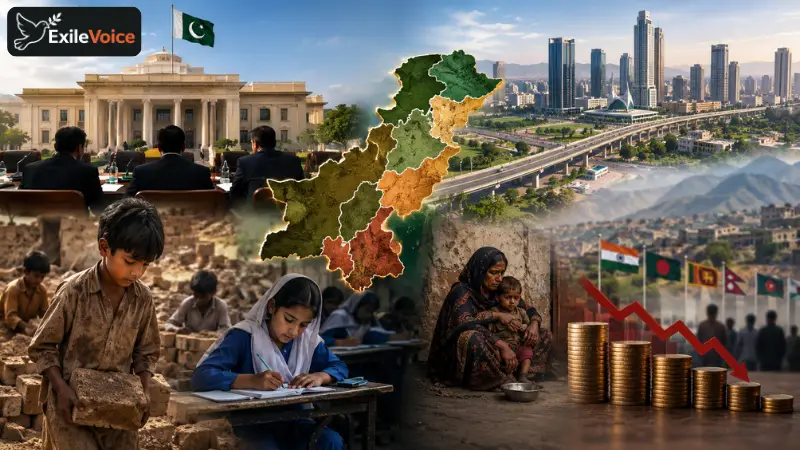
Pakistan stands on the precipice of an unprecedented economic crisis as it attempts to navigate the rigid fiscal conditionalities imposed by the International Monetary Fund (IMF) for its upcoming budgetary framework. The economic indicators point to a massive structural imbalance where aggressive revenue-generation targets are heavily weighted toward regressive taxation, threatening to trigger a severe inflationary wave. As the government prepares a highly demanding federal budget, the divergence between rising defense expenditures, elite subsidies, and the erosion of public welfare infrastructure highlights the deep structural flaws in the country's economic management.
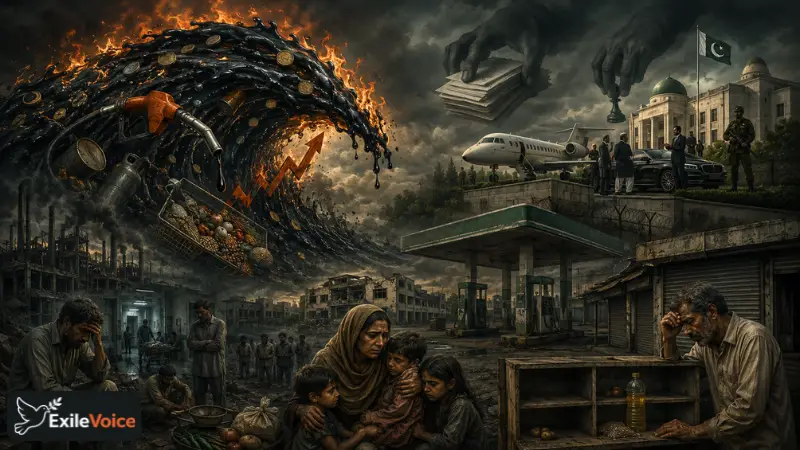
According to fiscal data, the IMF has outlined an expansive revenue target for the next fiscal year, necessitating a dramatic expansion of the tax base and unprecedented hikes in levies. A primary driver of this revenue strategy is the petroleum sector, where the government is mandated to collect nearly double the current fiscal year's revenue through the petroleum levy and related taxes. This requirement translates to an impending surge in domestic fuel prices. Given that energy and transport costs are foundational to the broader supply chain, this structural adjustment will directly catalyze an inflationary spiral across all essential commodities, including foodstuff, manufacturing inputs, and utility tariffs.
While the general populace faces an aggressive tax regime, a parallel analysis of state spending reveals a stark imbalance in resource allocation. The defense budget is projected to expand significantly, receiving an additional allocation of over 100 billion rupees within the new fiscal framework. Concurrently, the state continues to shield the corporate and agrarian elite through massive tax exemptions and direct subsidies. Reports indicate that over the past two fiscal years, major corporate sectors, including the fertilizer and sugar industries, benefited from tax exemptions totaling nearly 5 trillion rupees. This asymmetric fiscal policy effectively shifts the entire burden of national debt servicing and revenue generation onto the middle and lower-income demographics, while capital-intensive industries remain largely insulated.
The immediate fallout of these structural adjustments is the rapid contraction of the domestic economy and a complete stagnation of employment generation. Economists estimate that with a labor force and employment-seeking demographic currently standing at approximately 130 million individuals, Pakistan requires a consistent annual economic growth rate of at least 7 percent to absorb new entrants into the job market. Projections indicate that this employment-seeking population will nearly double by 2050. However, the current economic trajectory, hampered by high interest rates, steep energy costs, and reduced industrial output, remains far below the required growth threshold, leading to widespread industrial closures and a historic spike in unemployment.
The human cost of this macroeconomic stabilization strategy is visible in the collapse of basic public welfare and standard of living indicators. While the government recently announced a significant reduction in jet fuel prices, benefiting elite travel and state aviation, ordinary citizens face a pricing structure where domestic fuel costs nearly one-third more per liter than aviation fuel. This disparity is compounded by the systematic withdrawal of public welfare funding, such as the rolling back of health card initiatives and the suspension of critical infrastructure budgets, including a 30 billion rupee fund earmarked for repairing dilapidated and flood-affected public schools. As public education and healthcare systems crumble under austerity measures, the socioeconomic divide deepens, pushing millions below the poverty line and forcing vulnerable families to pull children out of school to survive.