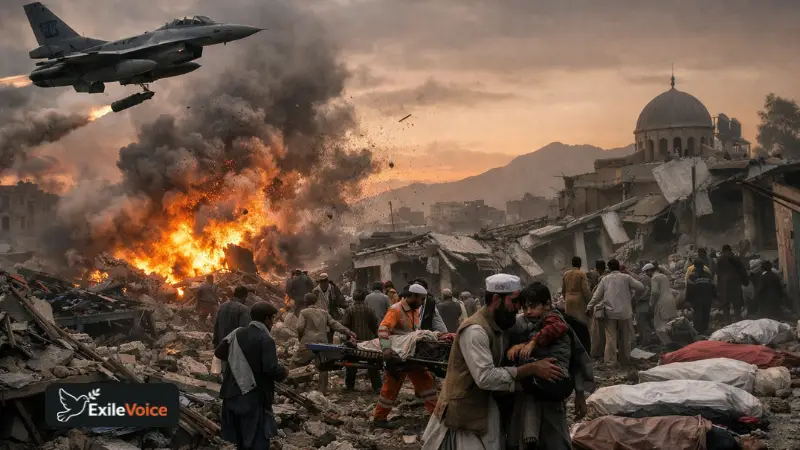
The geopolitical landscape of South Asia has taken a sharp and volatile turn following recent airstrikes conducted by the Pakistan Air Force (PAF) within Afghan territory. These operations, centered primarily in Kabul and Nangarhar, mark a significant escalation in the "War on Terror" narrative that has long defined the relationship between Islamabad and the Taliban-led administration in Kabul. While the Pakistani security establishment claims the strikes were surgical and successful, independent reports suggest a much more complex and tragic reality on the ground.
According to Pakistani security sources, often cited as the official voice of military intelligence, the primary targets of these airstrikes were workshops dedicated to the manufacturing of sophisticated drones. These sources allege that the facilities were using Indian and Israeli-made components to assemble unmanned aerial vehicles (UAVs) intended for use against Pakistani security forces and infrastructure. This narrative positions the strikes as a preemptive measure to dismantle a growing technological threat from militant groups operating across the border.
However, a starkly different account is emerging from Afghanistan. International news organizations, including the BBC’s Pashto service, have reported that the targets were not military workshops but rather civilian-oriented facilities. Specifically, reports indicate that one of the hit locations was a rehabilitation center for drug addicts. The Afghan narrative claims a staggering death toll, with figures suggesting nearly 500 individuals may have been killed in the bombings. If these figures are accurate, this operation represents one of the deadliest cross-border incidents in recent history, potentially overshadowing previous regional tragedies.
The timing of these strikes is also under scrutiny. Analysts suggest that the Pakistani leadership may be attempting to signal its utility to Western powers, particularly as U.S. political figures like Donald Trump have previously expressed interest in regional bases, such as Bagram Airfield, to monitor neighboring superpowers. Furthermore, reports indicate that China has actively encouraged Pakistan to de-escalate tensions and reopen border crossings for trade, advice that Islamabad appears to have bypassed in favor of continued military pressure.
As the dust settles, the long-term implications for regional stability are profound. The potential for a humanitarian crisis, coupled with the "tit-for-tat" nature of border skirmishes, risks drawing Pakistan and Afghanistan into a prolonged conflict that neither economy can afford. The international community now watches closely to see if evidence of drone manufacturing emerges or if the "rehab center" narrative solidifies, which would shift the global discourse from security to human rights violations.