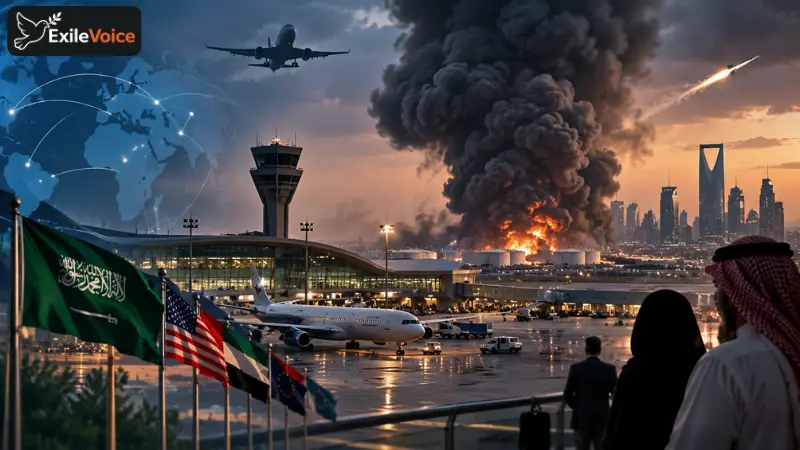
The current conflict between the United States and Iran has entered a perilous phase known as the "Escalation Trap." This strategic phenomenon occurs when a military power continues to increase its kinetic activity, destroying bridges, towers, and infrastructure, under the illusion of winning, while failing to achieve its actual political or strategic objectives. In the case of the Trump administration, the focus has shifted toward a relentless bombing campaign that lacks a clear exit strategy or a defined "end state."
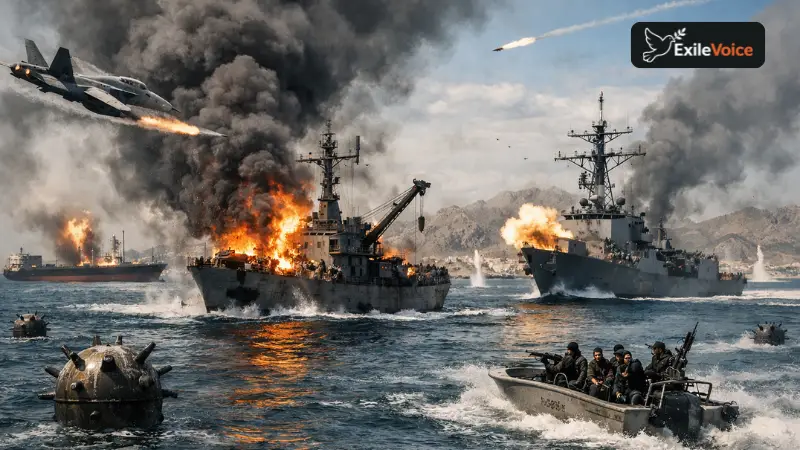
Recent declassified footage reveals that the U.S. Navy is specifically targeting Iranian mine-laying vessels in the Strait of Hormuz. These are not standard industrial mining operations but the deployment of sophisticated naval mines designed to paralyze global shipping. By mining the Strait, Iran is utilizing its most potent weapon: geography. Iran understands that while it cannot match U.S. missile technology or naval tonnage, it can inflict massive economic pain by driving up global oil prices. The United States, an economy built on high energy consumption and the world's highest vehicle-per-capita ratio, is uniquely vulnerable to this tactic.
Internal discord within the American establishment is also surfacing. High-ranking former military officials, including Colonel Lawrence Wilkerson, former Chief of Staff to Colin Powell, have begun questioning the legality of these operations, with some even alleging war crimes. Briefings to the U.S. Senate have reportedly revealed a startling shift in objectives: the U.S. is no longer prioritizing the destruction of nuclear facilities or "regime change." Instead, the strategy has devolved into a cycle of "endless bombing" of missile factories and boats. If Iran rebuilds, the U.S. bombs again. This "forever war" approach suggests a lack of diplomatic foresight and a failure to address the core issue: the closure of the world’s most vital oil artery.