The state of journalism in Pakistan has reached a critical juncture, characterized by a dual pressure of physical intimidation and digital censorship. Recent events involving seasoned journalists like Matiullah Jan and Fakhar Rahman highlight a disturbing trend: the criminalization of reporting and the branding of dissent as "anti-state" activity.
Fakhar Rahman was recently detained under PECA (Prevention of Electronic Crimes Act) charges for merely reporting, specifically, for tweeting a clip of a religious leader’s speech. In international standards of journalism, a reporter acts as a messenger; the responsibility for the content lies with the speaker. However, in the current climate, the messenger is being targeted. This "messenger-killing" strategy serves to silence the press by making the cost of reporting too high. Even more concerning is the role of certain media peers, referred to as "touts", who actively participate in labeling their colleagues as enemies of the state to gain favor with the establishment.
Simultaneously, Matiullah Jan faced severe backlash for hosting international journalists at the Islamabad Press Club. His "crime" was providing an honest orientation of the challenges facing local media. The state’s reaction, accusing him of "washing dirty laundry" in public, reveals a preference for a polished "positive image" over the reality of systemic infection. The establishment's attempt to curate a facade of "Enlightened Moderation" for the international community is increasingly at odds with the lived experience of local reporters who face abduction and legal harassment.
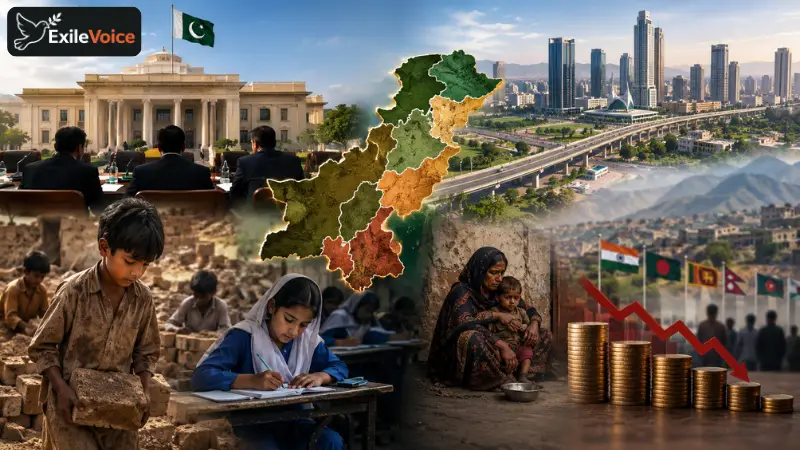
These suppressive measures are unfolding against a backdrop of economic instability. The recent one-percent hike in interest rates is a stark admission of failing inflation control. Higher interest rates translate to more expensive capital for businesses, who then pass those costs to the public, further fueling the fire of inflation. Additionally, a looming energy crisis, exacerbated by reports of over-invoicing and corruption in the solar energy sector to the tune of 120 billion rupees, paints a grim picture.
The irony is palpable: while the state punishes citizens for installing solar panels through taxes and licensing, the national grid remains unable to meet demand, leading to predicted increases in load-shedding. The suppression of media ensures that these economic mismanagement stories are either buried or framed as "anti-state" propaganda. The convergence of media silencing and economic pressure suggests a governance model that prioritizes control over the welfare of the citizenry.