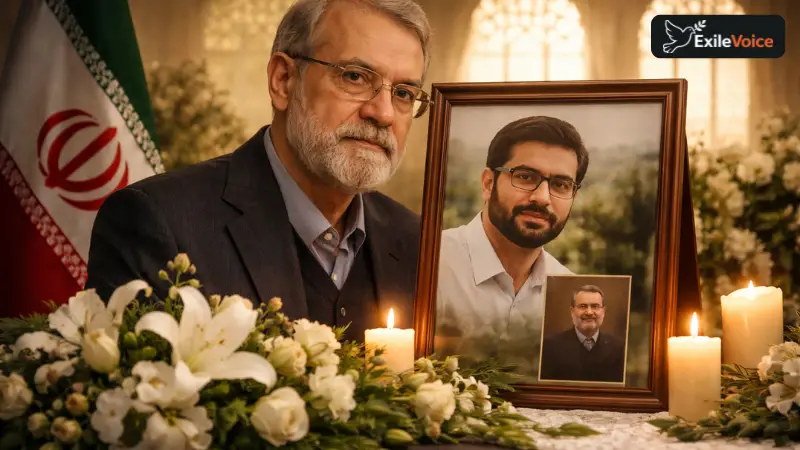
The Iranian Supreme National Security Council has officially confirmed the martyrdom of Dr. Ali Larijani, marking a significant escalation and a profound strategic loss for the Islamic Republic. Reports indicate that Dr. Larijani was killed during Israeli airstrikes that took place between Monday and Tuesday night, coinciding with the 27th of Ramadan. Tragically, his son, Dr. Murtaza Larijani, a prominent scientist and PhD holder,was also martyred in the same attack.
Dr. Ali Larijani was not only a seasoned administrator but a respected scholar with a PhD in philosophy. His intellectual contributions spanned governance and political theory, evidenced by numerous published works that even Western analysts acknowledge for their depth. However, his legacy is viewed through a polarized lens; while Iran mourns a dedicated leader, figures in the West and Israel often criticized him as a hardline enforcer who was instrumental in maintaining internal order.
The strategic implications of his loss cannot be overstated. Following the martyrdom of Supreme Leader Seyyed Ali Khamenei, Larijani was arguably the most influential figure within the Iranian state apparatus. Having served as the Chief Nuclear Negotiator from 2005 to 2007, he possessed an intimate understanding of Western diplomacy and maintained professional channels that few others could replicate. Analysts suggest that Israel’s targeting of such leadership is a deliberate attempt to eliminate individuals capable of high-level negotiation, thereby ensuring the conflict remains in a kinetic phase without the possibility of a diplomatic off-ramp.
Larijani’s final communications serve as a poignant reflection on the current geopolitical isolation of Iran. In a letter addressed to the heads of Islamic states, he invoked religious duty, questioning why fellow Muslim nations remained silent while Iran faced external aggression alone. His message was clear: while Iran remains steadfast in its resolve, the lack of regional support marks a historic shift in Islamic solidarity. As the nation enters a period of mourning, the emergence of a new leadership tier, including the current Supreme Leader Mujtaba Khamenei, will determine whether Iran shifts toward a more rigid or adaptive regional strategy.