As the conflict involving Iran, Israel, and the United States officially crosses the four-week mark, the geopolitical landscape of the Middle East has entered a "set trap" phase, characterized by strategic attrition and high-stakes brinkmanship. What began as a localized flare-up has evolved into a month-long engagement that is testing the military limits and political resolve of all parties involved. Despite facing over 10,000 targeted strikes from the combined forces of the Israeli and U.S. air forces over the last 28 days, Iran’s operational capacity remains a persistent factor in the region.
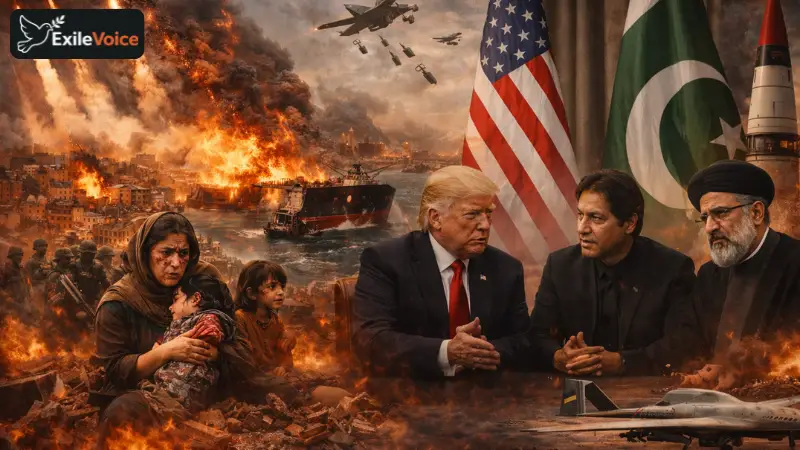
Military analysts observe a shift in Iran’s tactical approach. While their defense capacity has been significantly pressured and the intensity of missile launches from within their territory has reportedly decreased by nearly 90%, their "trolling game" and disruptive maritime activities remain active. The recent destruction of another oil tanker serves as a stark reminder that Tehran still possesses the capability to threaten vital global shipping lanes. This asymmetric warfare strategy aims to inflict economic pain and maintain leverage even as their conventional military assets face heavy bombardment.
The humanitarian cost of this month-long campaign has been devastating. Reports indicate that the focus of military operations has increasingly bled into civilian areas, with a rising toll on non-combatants, including women and children. This shift in the nature of the conflict has sparked international outcry and complicated the diplomatic maneuvering of Western allies, who must balance security objectives with the worsening humanitarian crisis on the ground.
Simultaneously, the role of regional players like Pakistan has become more pronounced. In a surprising diplomatic pivot, President Donald Trump has mentioned involving Pakistan in potential peace talks. This development marks a significant shift in the narrative, elevating Pakistan's profile as a potential mediator or stakeholder in a conflict that was previously dominated by Middle Eastern and Western powers. As the war enters its second month, the transition from "unconditional surrender" rhetoric to the mention of "peace talks" suggests a realization that a purely military solution may be elusive, leading to a complex web of back-door diplomacy.