The Middle East is currently witnessing a volatile escalation that threatens to destabilize global energy markets and redraw the lines of international involvement. Recent developments indicate that the conflict between Iran, Israel, and the United States has moved into a high stakes phase, characterized by direct threats to iconic infrastructure and critical shipping lanes.
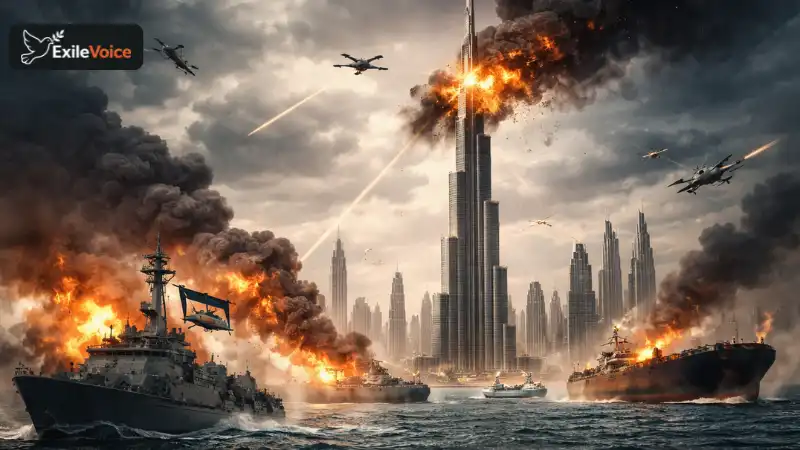
One of the most symbolic escalations involves the targeting of the Burj Khalifa in Dubai. As a global icon of economic prosperity and stability in the Middle East, the Burj Khalifa represents more than just a building; it is the heart of the region's financial and tourism sectors. Reports indicate that Iranian drones were dispatched toward this landmark, though they were intercepted by UAE defenses. This move signals a significant shift in Iran’s strategy, moving from proxy engagements to direct intimidation of regional neighbors that host or support Western interests.
The rhetoric from both Washington and Tehran has reached a fever pitch. President Donald Trump has suggested that the U.S. could dismantle Iran’s electrical grid within an hour, plunging the nation into darkness. In a defiant response, Iranian officials claimed they could retaliate by disabling the entire region’s power infrastructure in half that time, leveraging the darkness to facilitate further tactical strikes.
The maritime dimension of this conflict is perhaps the most concerning for the global economy. The Strait of Hormuz, a vital artery for the world’s oil supply, is now a primary theater of tension. Iran’s new Supreme Leader, Mujtaba Khamenei, has issued his first major directive: the Strait will remain closed to any traffic not sanctioned by Tehran. This "blockade" has already begun to affect regional oil giants. Iraq has reportedly suspended oil loading operations at several terminals after explosive, laden "suicide boats" targeted tankers, causing significant damage and fires.
While some nations like Bangladesh are seeking diplomatic assurances for their vessels, others are finding themselves in the crosshairs. Tensions between Iran and India have surfaced following India’s perceived alignment with Israel. Reports suggest that despite Indian claims of a maritime agreement with Tehran, Iranian authorities have denied any such deal, warning that those who stand with Tel Aviv will face economic and logistical consequences.
Furthermore, the involvement of Western powers is becoming increasingly overt. Footage has emerged showing "bunker buster" bombs—heavy, lethal munitions designed to penetrate underground nuclear sites—being loaded onto U.S. aircraft at British bases. This suggests that the UK and the U.S. are preparing for a much deeper offensive, potentially targeting Iran’s hardened military and nuclear infrastructure. As these lethal assets move toward the theater of war, the international community remains on edge, fearing that a single miscalculation could ignite a global energy catastrophe.