The mid-March 2026 geopolitical landscape is being reshaped by a series of high-stakes military maneuvers involving the United States, Iran, and North Korea. As the US military intensifies its presence in the Persian Gulf, a significant strategic pivot has been noted: the relocation of thousands of US Marines from key bases in Japan and South Korea to the Middle Eastern theater. This vacuum in the Indo-Pacific has prompted a rapid and aggressive response from Pyongyang, signaling a new level of coordination or opportunistic posturing among opponents of US foreign policy.
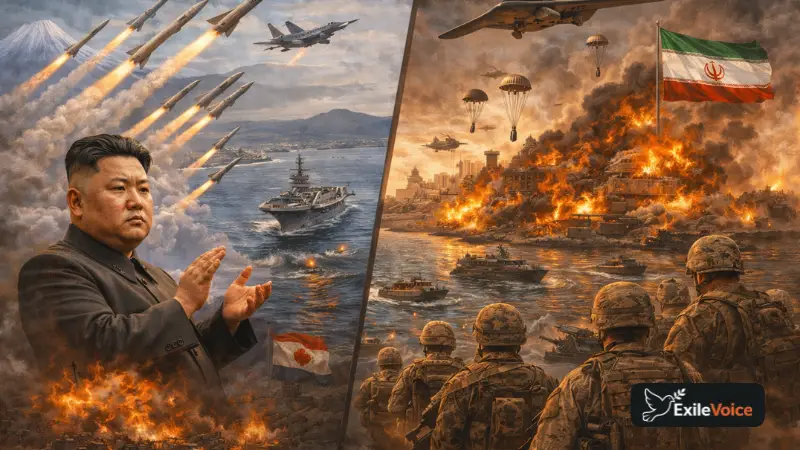
North Korean leader Kim Jong-un has reportedly supervised the launch of ten ballistic missiles directed toward the waters of Japan. This escalation occurred precisely as joint US-Japan military exercises were underway, providing a clear warning that any reduction in US boots on the ground in East Asia will be met with regional instability. While the missiles landed in the sea without causing casualties, the timing suggests a strategic intent to fix US resources in place and prevent the wholesale shifting of military assets toward the conflict with Iran.
Simultaneously, the situation in the Persian Gulf has reached a critical juncture following a massive US aerial bombardment of Iran’s Kharg Island. Utilizing 30,000-pound "bunker buster" bombs designed to penetrate up to 60 feet of reinforced concrete, the US military has systematically dismantled Iranian infrastructure. While oil facilities were reportedly spared to prevent a global economic meltdown, the destruction of non-oil infrastructure is seen by defense analysts as a precursor to establishing "boots on the ground" on the strategic island. This move is intended to force the reopening of the Strait of Hormuz, which remains a primary choke point for global energy supplies.
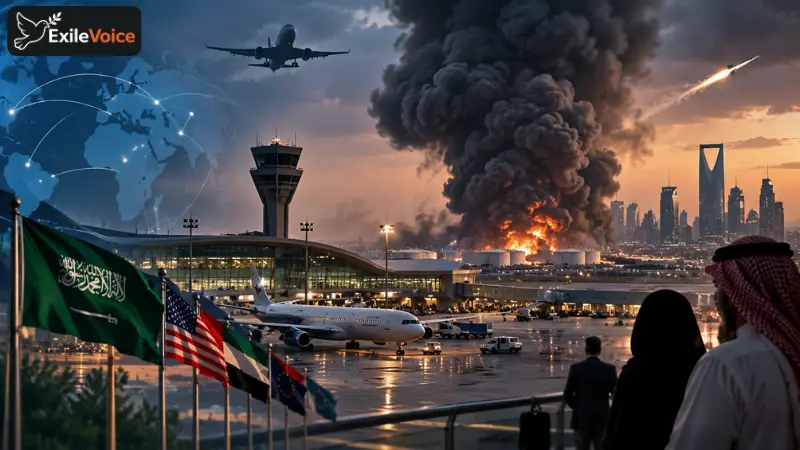
The risks of this dual-front escalation are profound. Reports indicate that US military leadership, including General Keene, had warned of Iran’s capability to shut down the Strait, a warning that was reportedly vetoed by political leadership under the assumption that intense bombardment would lead to a swift Iranian surrender. Instead, the conflict is widening. Iran has responded by targeting regional facilities, specifically in the UAE, while calling for an end to US presence in the Gulf as a prerequisite for any ceasefire.
As major global players like India, France, and Italy begin direct negotiations with Tehran to secure safe passage for their vessels, the dominance of the US dollar in the global oil trade is facing a subtle yet dangerous challenge. Iran’s reported offer to allow passage for vessels transiting oil in Chinese currency instead of USD represents a strategic move to undermine US economic hegemony during a period of kinetic warfare.