The seventeenth day of the current regional conflict has marked a significant turning point in global perceptions, as the United States administration under Donald Trump appears increasingly besieged by both domestic and international pressure. Analysis of recent diplomatic communications and media appearances reveals a pattern of strategic inconsistency, frequently characterized as "U-turns", that has begun to alienate traditional Western allies. The initial hardline stance of "unconditional surrender" and aggressive military posturing has given way to a more fractured narrative, leading to a visible loss of confidence among NATO partners, including Canada, the United Kingdom, and Australia.
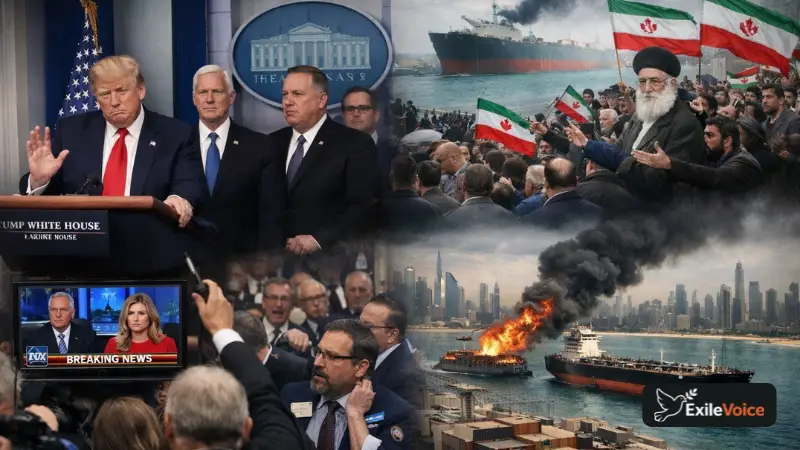
This perceived "stuttering" in American foreign policy is not merely a matter of optics; it reflects a deep-seated crisis within the Republican coalition and its media apparatus. Reports from Washington indicate that even historically supportive outlets like Fox News have begun to question the efficacy of the current military trajectory. The administration’s recent press conferences, described by veteran observers as embarrassing displays of defensive posturing, suggest a leadership that is struggling to maintain a coherent strategy as the human and economic costs of the conflict mount.
Contrasting this American volatility is the strategic consolidation of Iran on the global stage. By positioning itself as the victim of disproportionate aggression, Tehran has successfully tapped into a wellspring of international sympathy. This shift in the "narrative war" is critical. While the U.S. struggles to keep its allies in line, Iran has managed to maintain its operational capabilities, recently evidenced by the arrival of major oil shipments, a direct challenge to the efficacy of the blockade. The psychological impact of these developments cannot be overstated; the image of a defiant Iran, coupled with a vacillating U.S. leadership, is reshaping the power dynamics of West Asia in real-time.
Furthermore, the economic implications are beginning to hit home for the U.S. and its regional partners. The disruption of trade in major hubs like Dubai has sent shockwaves through global markets, leading to internal fractures within the coalition of Gulf nations. As the "World War III" rhetoric intensifies, the lack of a clear exit strategy or a unified front among Western powers suggests that the U.S. may be entering a period of unprecedented diplomatic isolation, leaving a power vacuum that regional actors are eager to fill.