The landscape of modern conflict is rapidly shifting from traditional military engagements toward the deliberate disruption of critical economic lifelines. In a significant escalation of Middle Eastern hostilities, recent reports confirm targeted strikes on one of Iran’s most vital gas production facilities. This facility is responsible for an estimated 80 percent of the nation’s domestic gas production and serves as the primary fuel source for over half of its electrical grid. By targeting such a foundational asset, military strategists are moving beyond the battlefield to cripple the functional capacity of an entire nation-state.
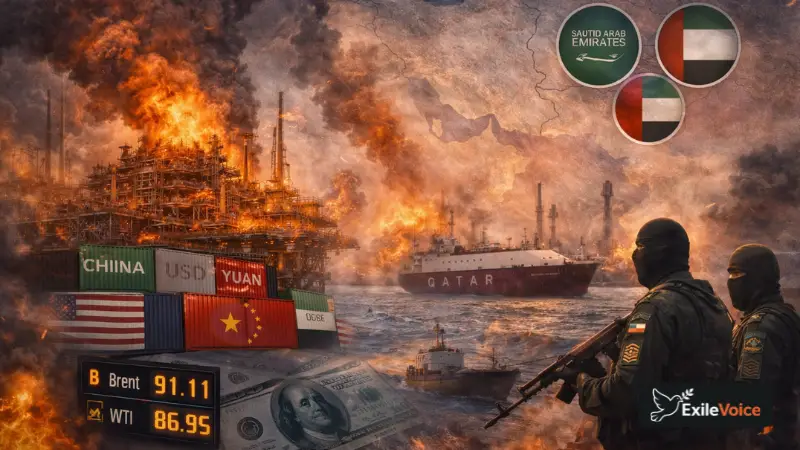
The professional implications of this shift are profound for global energy markets and international trade. Iran’s immediate response, issuing warnings to Saudi Arabia and the United Arab Emirates, demonstrates a strategy of "horizontal escalation." By signaling that petrochemical complexes, oil refineries, and gas fields in neighboring Gulf states are now considered legitimate targets, the conflict is being projected onto the global supply chain. This is not merely a regional dispute; it is a direct challenge to the energy security of every nation dependent on Gulf crude and natural gas.
From an analytical perspective, this "war on energy" serves a dual purpose for regional actors with limited conventional air power. Lacking the air superiority of Western-backed forces, nations like Iran utilize their geographic control over strategic maritime chokepoints, such as the Strait of Hormuz, to exert pressure. The recent implementation of currency-based passage requirements, where transit is permitted only if payments are settled in Chinese Yuan rather than US Dollars, represents a sophisticated integration of financial and military strategy. This tactic effectively weaponizes international trade routes to bypass traditional sanctions and challenge the hegemony of the petrodollar.
For global stakeholders, these developments necessitate a reevaluation of energy logistics. With global oil prices already hovering near significant benchmarks, any prolonged disruption to refining or transport infrastructure in the Gulf will inevitably lead to inflationary pressures across the world economy. The strategy appears to be one of increasing the "cost of war" to a point where international intervention becomes a matter of economic survival for the global community. As military strikes transition from personnel to infrastructure, the boundary between tactical warfare and global economic destabilization continues to blur.