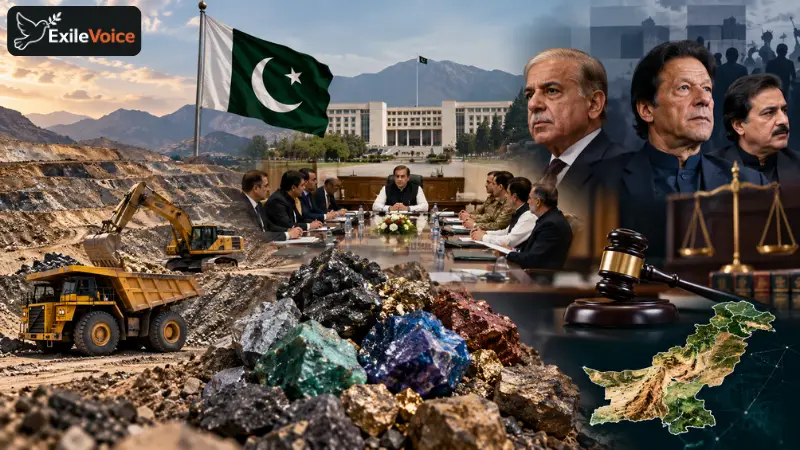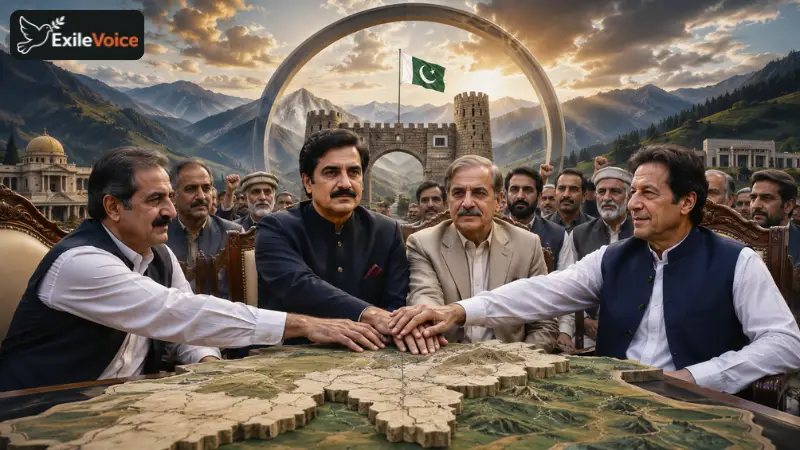
A remarkable and historically unprecedented political realignment is taking shape within the governance structures of Khyber Pakhtunkhwa (KP), driven by a deepening structural and financial crisis between the federal government and the province. Faced with severe economic distress that threatens the daily operational capacities of the province, the provincial government, led by Pakistan Tehreek-e-Insaf (PTI), has consciously chosen to bypass traditional partisan rivalries. In an extraordinary display of regional solidarity, the Chief Minister of KP, alongside Speaker Babar Salim Swati, voluntarily stepped aside from presiding over critical provincial strategic committees, granting the seat of honor and leadership to the provincial Governor, Faisal Karim Kundi of the Pakistan Peoples Party (PPP). Simultaneously, the authority to lead the provincial jirga, the powerful traditional assembly tasked with negotiating directly with the federal government, was handed over to Dr. Ibadullah, a senior leader belonging to the rival Pakistan Muslim League-Nawaz (PML-N).
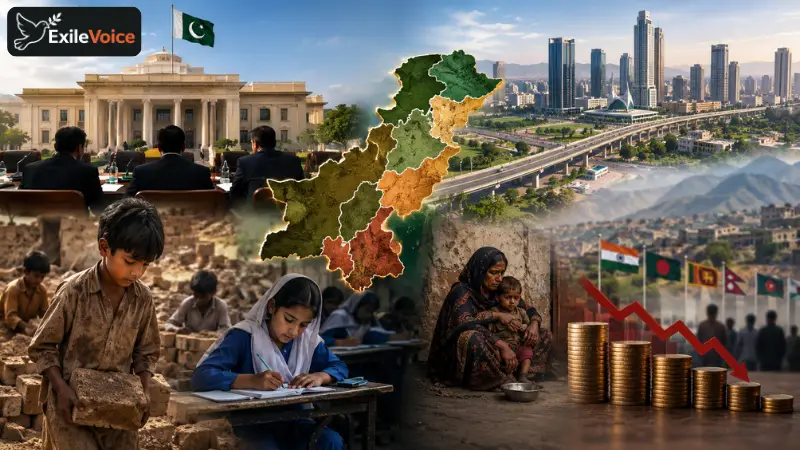
This calculated abandonment of political polarization within the province highlights the existential threat facing Khyber Pakhtunkhwa's financial architecture. At the core of this cross-party alliance is a profound grievance regarding the federal government's failure to honor its financial obligations under the 18th Constitutional Amendment and the National Finance Commission (NFC) award. The crisis has reached a boiling point due to the structural overheads tied to the merger of the former Federally Administered Tribal Areas (FATA) into KP. Prior to the historic merger, the substantial developmental, administrative, and security budgets for these tribal regions were borne entirely by the federal exchequer. However, following their formal integration into the province, the promised additional resource allocation, intended to scale with the massive increase in population and administrative responsibilities, has been consistently withheld or delayed by the federal center.
Consequently, Khyber Pakhtunkhwa has been forced to absorb the immense financial shock of sustaining these newly formed tribal districts using its own baseline provincial budget. This has crippled the province’s development programs, delayed critical public infrastructure projects, and created difficulties in meeting basic administrative payrolls. By establishing a unified front that bridges the ideological divides between PTI, PPP, and PML-N at the provincial level, KP’s leadership is sending an unambiguous signal to the federal capital: the fight for provincial rights and economic survival transcends party lines. This collective leadership model ensures that the federal government cannot exploit internal provincial rivalries to weaken KP's bargaining power during high-stakes financial negotiations.
This escalating financial dispute occurs against a backdrop of broader structural anxieties concerning the future of fiscal devolution in Pakistan. Rumors and strategic maneuvers originating from centralized bureaucratic and institutional circles suggest a growing desire to roll back key aspects of the 18th Amendment. Powerful centralizing actors seek to reclaim provincial revenues to pad the federal deficit and secure unaccountable central funding lines. For KP, a province on the front lines of both economic instability and persistent security challenges, any reduction in its constitutional share of national resources would spell catastrophe. The formation of the grand provincial alliance represents a protective shield, warning central authorities that any attempt to encroach upon provincial autonomy or strip away regional resource rights will be met with fierce, legally unified resistance from the entire political spectrum of the province.