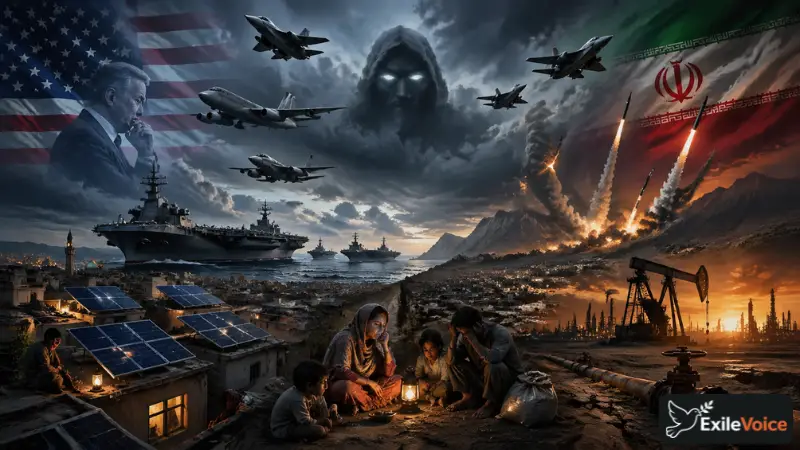
The specter of a "False Flag" operation looms large over the Persian Gulf, drawing haunting parallels to the 1964 Gulf of Tonkin incident. Professional analysts and former intelligence officials are sounding alarms over the massive buildup of U.S. refueling aircraft at Israel’s Ben Gurion Airport and the presence of three aircraft carrier strike groups in the region. This military posturing, the largest since the 2003 Iraq War, suggests that the world may be on the brink of a conflict that neither the American public nor the global economy is prepared for.
The core of the current security dilemma lies in the "disconnect" between political rhetoric and military reality. While official U.S. statements dismiss the use of tactical nuclear devices, defense analysts suggest that such extreme measures are being discussed in "shadow" circles as the only way to subdue Iran’s entrenched positions. The risk of a False Flag operation, an engineered attack blamed on Iran to justify full-scale military intervention, is a primary concern. Such an event would bypass the current global public opinion, which is overwhelmingly in favor of a ceasefire, and force a reluctant U.S. Congress into a war authorization.
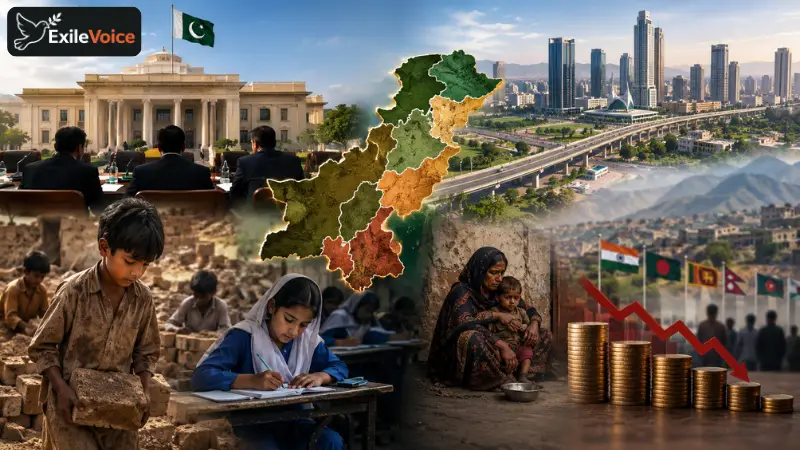
While the "High Politics" of war dominates the headlines, the "Low Politics" of survival is ravaging the ground. Pakistan, a key player in the mediation, faces a dire internal crisis. United Nations reports indicate that nearly 100 million Pakistanis are facing severe food shortages, a crisis exacerbated by the regional instability. Interestingly, the only "shield" preventing a total energy collapse in Pakistan has been the "Solar Boom." Grassroots adoption of solar energy provided a crucial cushion against the energy shocks of the Iran war crisis.
However, a professional analysis reveals a troubling contradiction in governance. While solar energy has proven to be a lifeline for the population, the government has responded by increasing taxes on solar panels and reducing net-metering benefits. This "revenue-first" approach threatens to dismantle the very infrastructure that provided regional energy resilience. As the U.S. pivots toward a more traditional energy stance and India continues to subsidize solar growth, Pakistan’s current taxation policy appears out of sync with the needs of a war-adjacent economy. The convergence of military risk and economic vulnerability creates a volatile environment where the cost of a single miscalculation could be catastrophic.