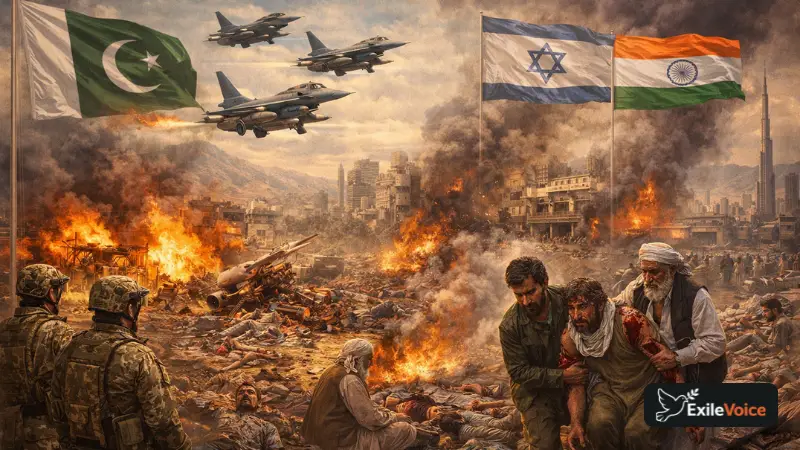
The geopolitical landscape in South Asia has taken a sharp and volatile turn following recent kinetic operations conducted by the Pakistan Air Force (PAF) within Afghan territory. According to official security sources in Pakistan, the strikes targeted sophisticated drone manufacturing facilities and workshops located in Kabul and Nangarhar. These facilities were allegedly being used by militant groups to assemble unmanned aerial vehicles (UAVs) using components sourced from foreign actors, specifically identified by Pakistani intelligence as having origins in Israel and India. The strategic intent behind these strikes was to neutralize a growing aerial threat before it could be deployed across the border against Pakistani state interests.
However, the narrative emerging from the ground in Afghanistan presents a starkly different and humanitarian-focused picture. Reports from international news organizations, including the BBC’s Pashto service, indicate that the strikes did not hit a military workshop but rather a civilian rehabilitation center dedicated to treating drug addiction. Preliminary reports from Afghan sources suggest a staggering casualty count, with claims reaching up to 500 individuals martyred or injured in the bombardment. If these figures are verified, the incident would represent one of the deadliest cross-border escalations in recent history, potentially overshadowing previous regional tragedies in scale and impact.
This military action marks a significant departure from the historical policy of strategic restraint and highlights the deepening mistrust between the current Pakistani administration and the Afghan Taliban government. The timing is particularly notable, as it follows warnings from former political leadership regarding the inevitability of such a conflict. Observers suggest that the escalation may be part of a broader effort to demonstrate regional counter-terrorism capabilities to Western powers, particularly as the United States re-evaluates its strategic interests in Central Asia.
The involvement of "security sources" as the primary communicators of this news in Pakistan suggests a high-level coordinated information campaign. Meanwhile, the international community is watching closely, as China has reportedly urged both nations to cease hostilities and reopen trade corridors. The refusal to de-escalate, despite pressure from a major regional partner like China, indicates that the Pakistani military leadership may be prioritizing a hardline security doctrine over diplomatic mediation. As the dust settles in Kabul and Nangarhar, the long-term implications for border security and regional refugee dynamics remain deeply concerning for all stakeholders involved.