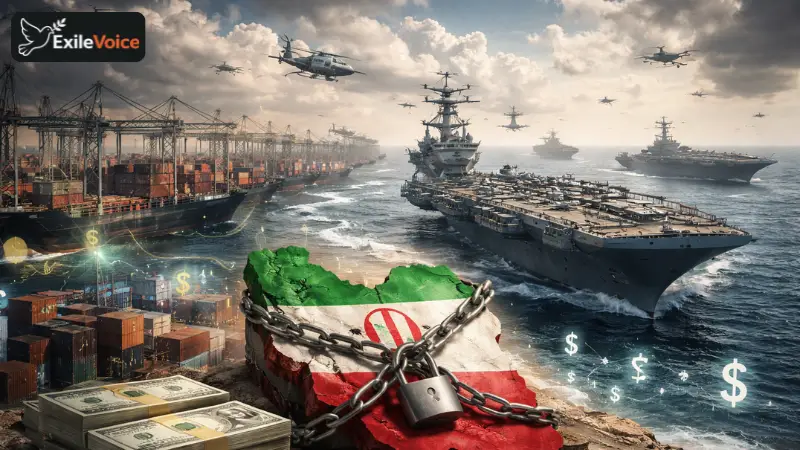
While diplomatic headlines focus on ceasefires and negotiations, the "concrete reality" of U.S. policy toward Iran is currently defined by aggressive economic tightening. The U.S. Treasury has recently issued notifications to major global hubs, including Abu Dhabi, Oman, Jordan, and China, regarding the enforcement of "Secondary Sanctions." This move is designed to paralyze Iran’s financial reach by targeting any third-party entity that facilitates transactions with Iranian assets.
The distinction between primary and secondary sanctions is crucial for understanding the current pressure. Primary sanctions restrict U.S. citizens and companies from dealing with Iran. Secondary sanctions, however, allow the U.S. to penalize foreign nations, such as India or South Korea, if they engage with the Iranian banking sector. By threatening these global players, the U.S. aims to achieve a total economic "squeeze" that bypasses the need for immediate kinetic warfare while still inflicting maximum damage on the Iranian state.
Parallel to this financial assault is the physical presence of the U.S. Navy. The movement of the USS Herbert Walker Bush and the deployment of 10,000 additional troops toward the Persian Gulf signal a "Naval Blockade" in all but name. Interestingly, the route of these naval assets suggests a high level of caution; the U.S. appears to be avoiding the Red Sea and the Bab-el-Mandeb strait due to the threat of Houthi resistance, opting instead for a longer route around the West Coast of Africa. This logistical detour reveals a strategic vulnerability: while the U.S. is eager to blockade Iran, it remains deeply fearful of asymmetric threats that could disrupt its own naval superiority. The ultimate goal, as stated by insiders like Joe Kent, should be the stability of the Strait of Hormuz, yet current escalations seem to be leading toward a "major disaster" rather than a sustainable energy market.