The Pakistani government’s recent move to privatize the Zarai Taraqiati Bank Limited (ZTBL) has ignited a fierce debate over the future of the country’s agricultural sector. ZTBL has traditionally functioned as the primary source of subsidized credit for small-scale farmers, providing the necessary capital for seeds, fertilizers, and machinery. The decision to move this institution into private hands marks a significant shift in the state's role in supporting the backbone of its economy.
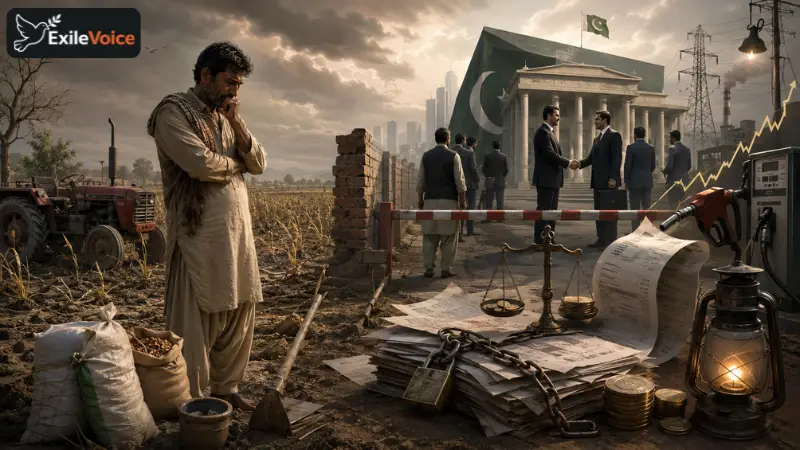
The International Monetary Fund (IMF), which usually advocates for the privatization of state-owned enterprises, has surprisingly expressed reservations regarding this specific move. The IMF’s concern stems from the likelihood that a private management structure will prioritize profit margins over social welfare. For small-landholding farmers, who already operate on thin margins, the transition to a private ZTBL could mean higher interest rates and more stringent collateral requirements, effectively pricing them out of the credit market.
Agriculture remains a vital component of Pakistan's GDP, and the accessibility of low-interest loans is crucial for maintaining food security and rural livelihoods. Critics argue that ZTBL, despite its history of political appointments and mismanagement, serves a public good that cannot be replicated by the private sector. The fear is that private owners will shift the bank's focus toward more lucrative commercial lending, leaving the agricultural community without a dedicated financial partner.
Simultaneously, the federal government is considering the transfer of the Benazir Income Support Programme (BISP) to the provinces. This move is seen by many as an attempt by the center to shed financial responsibility for social safety nets. While some provinces might continue the program, there is a risk of inconsistency in delivery and funding, potentially leaving millions of the country's most vulnerable citizens without a reliable cushion against inflation.
These economic shifts are occurring against a backdrop of rising fuel prices and utility costs, which have squeezed the middle class and the poor alike. The privatization of ZTBL and the restructuring of social programs like BISP are viewed as part of a broader austerity drive necessitated by IMF conditions. However, the social cost of these measures, particularly the potential disenfranchisement of the farming community, could lead to long-term economic instability and rural unrest.