Pakistan continues to navigate severe economic headwinds characterized by rapid adjustments to domestic fuel pricing, ongoing inflationary pressures, and persistent friction between state administrative machinery and political opposition entities. Recent policy measures involving incremental surcharges on petroleum products have renewed debates regarding fiscal stability, consumer welfare, and the strategic positioning of major political movements across the country.
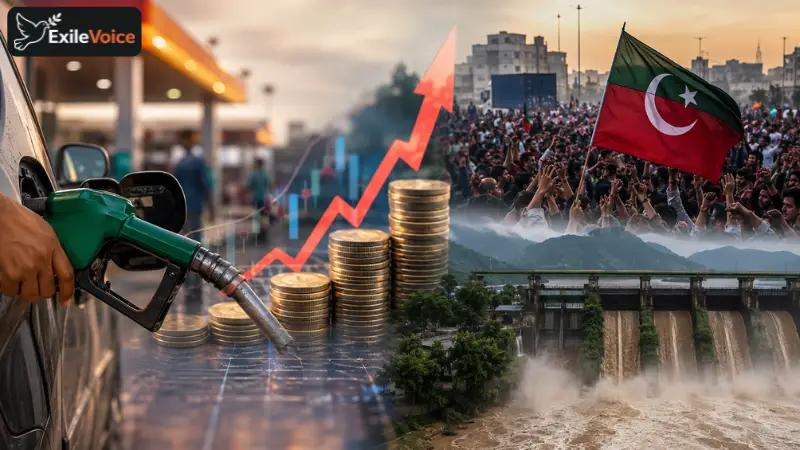
Over recent days, administrative price revisions have led to consecutive upward adjustments in retail petroleum and diesel rates. Rather than implementing singular, large-scale price adjustments, authorities have adopted a phased, daily price increase strategy. While this mechanism is intended to mitigate immediate market shocks and smooth revenue realization for state entities, it has generated substantial resistance from key supply chain stakeholders. The Pakistan Petroleum Dealers Association and commercial transport federations have expressed severe concern over the operational strain imposed by volatile pricing cycles, warning that incremental daily price shifts complicate inventory management, erode retail profit margins, and trigger consumer friction at fuel distribution outlets.
The macroeconomic rationale behind these continuous price adjustments remains linked to broader fiscal consolidation requirements, debt servicing obligations, and compliance with external international monetary framework targets. However, the immediate downstream impact falls heavily upon middle-income and working-class populations, for whom energy costs represent a substantial component of daily household expenditures. Transport operators and agricultural sector representatives have highlighted that rising diesel costs directly inflate food transport expenses, compounding general headline inflation across urban and rural markets alike.
Concurrently, Pakistan's domestic political landscape remains defined by institutional friction and strategic realignments within opposition parties. The primary opposition movement, Pakistan Tehreek-e-Insaf (PTI), continues to face administrative constraints, legal challenges, and internal strategic debates regarding its public mobilization efforts. Disagreements have surfaced within opposition ranks concerning the efficacy of court-based legal advocacy versus street-level political rallies. Legal observers and political analysts point out that prolonged judicial proceedings and administrative delays have tested the organizational resilience of opposition cadre.
As opposition leaders announce plans for renewed national protest drives and public rallies, political commentators note a growing demand among grassroots workers for clear, consistent strategy and transparent communication. Opposition strategists face the complex task of organizing effective civil participation under stringent regulatory oversight, heavy security deployments, and legal constraints. The balance between maintaining institutional legal engagement and organizing public demonstrations remains a central challenge for political leaders seeking to mobilize public sentiment around economic hardship.
Compounding these domestic economic and political developments are regional environmental and infrastructure factors. Recent water releases from upstream reservoir structures, including India's Salal Dam into the Chenab River basin, have drawn close monitoring from Pakistani disaster management authorities. Riverine communities in Kashmir and Punjab face heightened flood risks during the monsoon cycle, necessitating coordinated administrative preparedness to protect agricultural land and civilian settlements. The interplay of energy price inflation, domestic political maneuvers, and seasonal climate vulnerabilities underscores the complex operational landscape confronting Pakistani policymakers and civil society today.