The potential resolution of the U.S.-Iran conflict carries profound economic implications for South Asia, particularly for Pakistan. For decades, Pakistan’s industrial growth has been stifled by a chronic energy crisis, characterized by high costs and inconsistent supply. The primary obstacle to accessing cheap Iranian energy has been the threat of "secondary sanctions" from the United States. However, the current diplomatic thaw between Washington and Tehran offers a rare window of opportunity to revitalize regional energy projects.
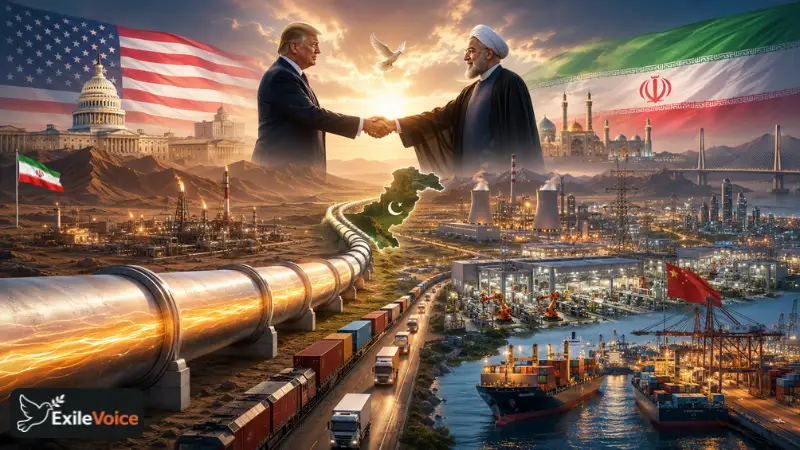
Chief among these is the long-delayed Iran-Pakistan (IP) gas pipeline. If the U.S. moves forward with a gradual lifting of sanctions as part of the new MoU, the legal and financial barriers preventing the completion of this pipeline could dissolve. Access to Iranian gas and oil at market-competitive rates would drastically reduce manufacturing costs in Pakistan, making its exports more competitive on the global stage. Beyond energy, a stabilized Iran opens a massive land-based trade route, connecting Pakistan to Central Asian markets and Turkey.
The economic shift is also driven by China’s increasingly assertive stance. Beijing recently invoked its "2021 Blocking Law" to protect Chinese refineries from American sanctions, signaling that the era of unilateral financial coercion is facing a formidable counterweight. This Chinese "shield" provides Pakistan with additional strategic depth, allowing it to pursue bilateral trade with Iran without the immediate fear of total economic isolation.
The ripple effects of this deal extend to the global energy market. The restoration of Iranian oil to international benchmarks, moving away from "shadow market" discounts, would stabilize global prices and provide Iran with the capital needed for post-war reconstruction. For Pakistan, the goal must be to transition from a "security state" to a "geoeconomic hub." By leveraging the current goodwill of the Trump administration and the strategic interests of Saudi Arabia, Pakistan can position itself as the primary transit corridor for energy and trade, turning a regional crisis into a national economic recovery.