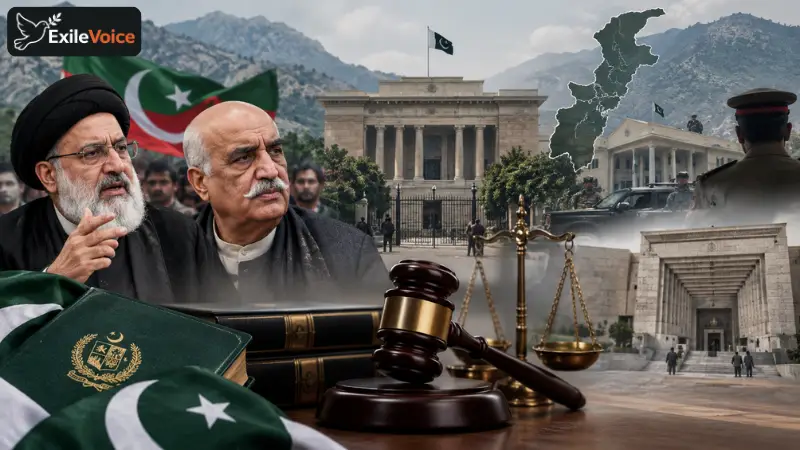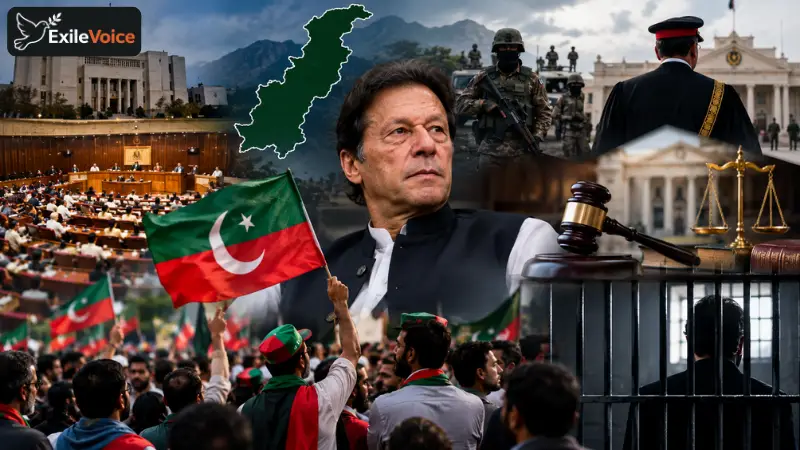
The political landscape in Pakistan is currently defined by shifting alliances and the emergence of what analysts describe as "managed opposition". Recent rhetoric from JUI-F leader Fazlur Rehman, characterized by anti-establishment narratives, has drawn significant attention. Unlike previous political crackdowns, these defiant statements have occurred without immediate legal repercussions, prompting speculation regarding the strategic positioning of various political actors.
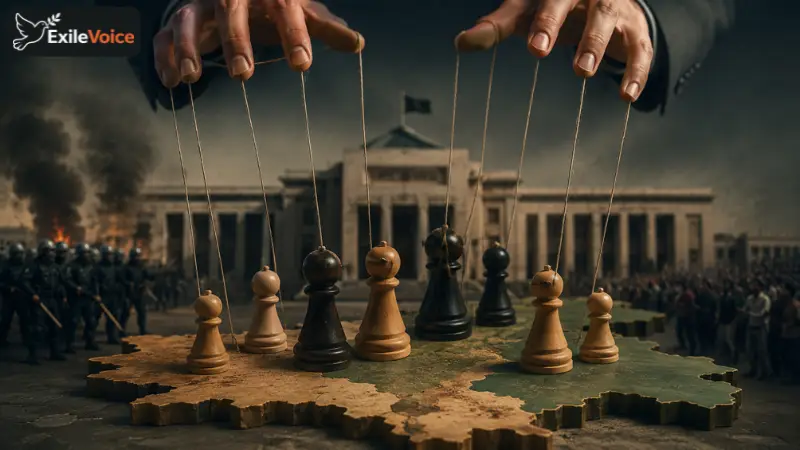
Observers suggest that this calculated environment allows specific political figures to adopt an "anti-establishment" stance, potentially to capture the political space vacated by the Pakistan Tehreek-e-Insaf (PTI) leadership. By allowing such rhetoric, the establishment may be attempting to reshape the political narrative, offering alternatives that appear confrontational while remaining aligned with broader systemic interests. This phenomenon is often viewed as a "fake ledger" strategy, a tactical move to manage public sentiment while maintaining control over the core governance framework.
Simultaneously, the administration faces criticism over its prioritization of initiatives, such as purchasing new aircraft for the privatized PIA, while managing severe security challenges in Balochistan and other regions. The disconnect between public suffering, highlighted by security failures and domestic unrest, and the political theater of ministerial changes or international conferences serves to deepen public disillusionment. As the country navigates these crises, the focus remains on whether these political realignments are genuine expressions of democratic dissent or merely orchestrated maneuvers designed to sustain the status quo under a new guise.