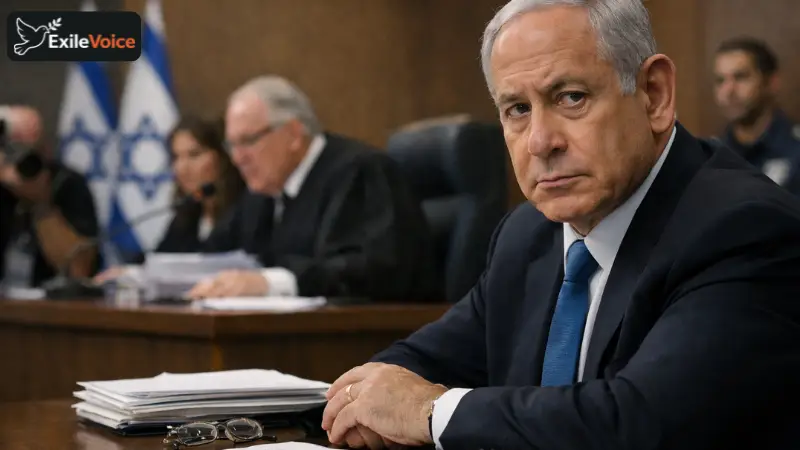
As the immediate threat of large-scale military conflict between Iran and Israel begins to recede, the focus in Tel Aviv has abruptly shifted from national security to the personal legal standing of Prime Minister Benjamin Netanyahu. The cessation of major hostilities led to a swift lifting of the state of emergency by the Israeli court system, a move that has immediate and dire consequences for the Prime Minister. With the emergency over, the long-delayed trials for fraud and corruption against Netanyahu are set to resume, with proceedings scheduled to begin almost immediately.
The timing of this legal resurgence is critical. For 40 days, as the nation remained in bunkers and focused on the threat of Iranian missiles, the judicial process was effectively frozen. Now, the court has signaled a vigorous return to the trial, planning consecutive days of hearings. This development highlights a unique characteristic of the Israeli democratic structure: the independence of its judicial system even in the shadow of a major regional crisis. While other nations might see prolonged states of emergency used as a shield for political leaders, the Israeli courts have moved decisively to reinstate the rule of law.
This legal pressure is compounded by a shifting relationship with the United States. During the height of the operations, the Trump administration was a vocal supporter of Netanyahu, with the President even suggesting that the Israeli judiciary should set aside the trials in the interest of national security. However, as the conflict ends in what many analysts describe as a "humiliating" diplomatic exit for the U.S., the political capital available for Trump to "bail out" Netanyahu has likely evaporated. There is an emerging sense that the U.S. administration may now view Netanyahu as the leader who dragged them into an unproductive and costly war.
Netanyahu’s political future is further clouded by upcoming elections in October 2026. His current coalition, dominated by the extreme right wing, faces middling prospects in the polls. Without the unifying force of an active war, the Prime Minister must now defend his record on both the battlefield and in the courtroom. The narrative of being a "victorious" leader is difficult to maintain when the legal system is actively pursuing charges of corruption and the primary international ally is distancing itself. The coming months will determine if Netanyahu can once again navigate these treacherous political waters or if this convergence of legal and diplomatic failures marks the end of his long tenure.