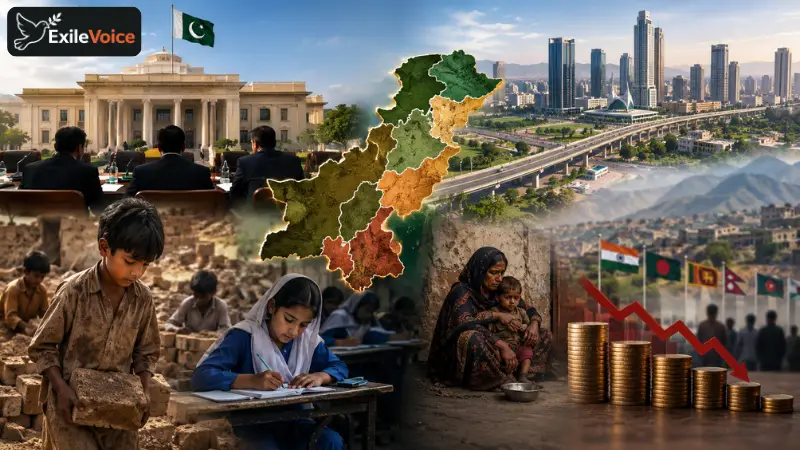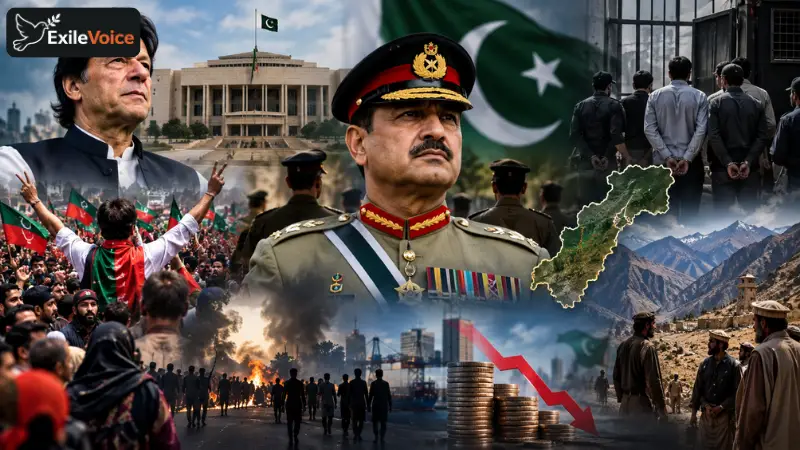
The intersection of economic metrics and national governance provides a telling diagnostic of a state's structural health. Recent international evaluations, specifically the Seemas Global Fraud Index, have placed Pakistan at the bottom tier of global rankings, occupying the 112th position out of 112 assessed administrative tiers. This classification marks a multi-year trend where the country has consistently scored below regional and global averages in transparency, fiscal integrity, and corruption mitigation. While previous years reflected a marginally better position, the data indicates a steady decline toward systemic vulnerability.
The Global Fraud Index operates by measuring the probability and prevalence of fraudulent transactions across various sectors. The global average score rests at approximately 2.79, whereas Pakistan has registered a significantly elevated score of 7.48. This divergence indicates that instead of conforming to standard international risk mitigation benchmarks, the local environment presents widespread institutional deficiencies. These findings correlate with separate assessments issued by multilateral financial organizations like the International Monetary Fund (IMF), which have highlighted governance shortfalls as primary obstacles to structural adjustment programs.
In response to these multilateral critiques, national entities such as the National Accountability Bureau (NAB) have historically questioned the methodologies of external financial institutions. The rhetoric often frames these evaluations as overextended mandates that infringe upon sovereign oversight. However, the alignment of independent indexes with macroeconomic indicators suggests that the domestic regulatory framework requires substantial reform rather than diplomatic dismissal.
Beyond transactional fraud, socio-economic challenges continue to compound governance difficulties. Public administration data reveals that approximately 30 million children remain outside the formal educational system, positioning the state among the lowest globally in educational access. Simultaneously, urban centers like Lahore frequently top international air quality indexes as the most polluted metropolitan areas globally, illustrating a broader failure in municipal regulation and environmental enforcement. Furthermore, the national passport continues to rank near the bottom of international mobility indexes, reflecting a lack of visa-free access that directly impacts external trade and professional migration.
On the security front, internal policing frameworks are experiencing severe strain, particularly in border regions such as the Khyber Pakhtunkhwa (KP) province. In the Bajaur District, report documentation suggests that nearly 900 police personnel have formally applied for early retirement. This collective departure from a historically sought-after public service sector underscores an escalation in institutional friction and localized security threats.
Public security personnel in these regions face a double vulnerability. On one side, they are targeted by non-state militant factions operating across the border; on the other side, they face operational constraints stemming from parallel intelligence and military jurisdictions. Local administrative figures, including regional executive leadership, have frequently noted that conflicting counter-terrorism strategies disrupt standard law enforcement protocols. When local police apprehend suspected militants, jurisdictional overlaps often lead to the reassignment or release of detainees under alternative security directives, degrading institutional morale and precipitating widespread early retirements among frontline officers.