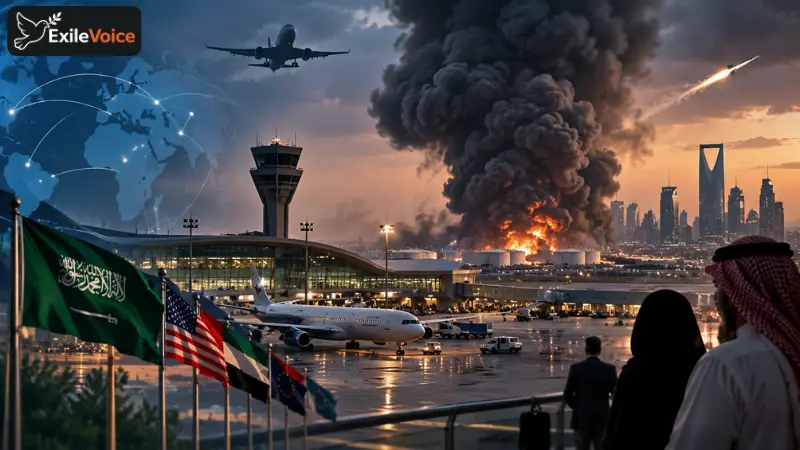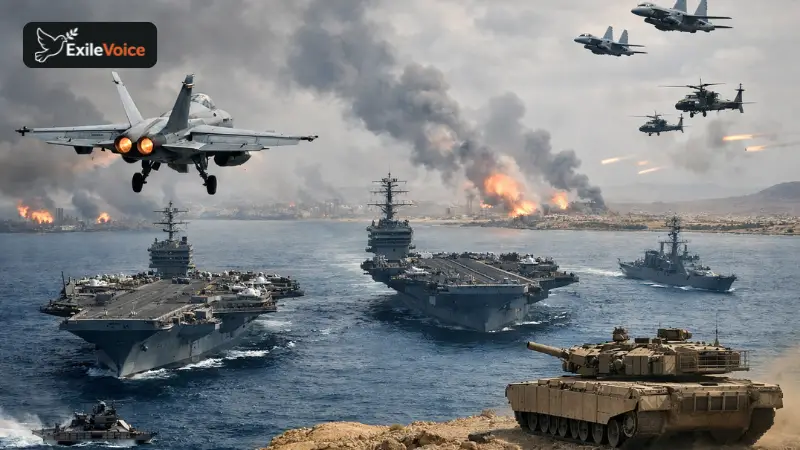
The geopolitical landscape of West Asia is currently undergoing a seismic shift, primarily driven by escalating tensions between the United States and Iran. Recent developments suggest that the United States, under the administration of Donald Trump, is contemplating a significant military intervention aimed at neutralizing Iran's military capabilities and forcing a regime surrender. This strategic pivot is characterized by a massive buildup of naval and aerial forces in the region, including the deployment of multiple aircraft carrier groups such as the USS Abraham Lincoln, USS Gerald Ford, and the impending arrival of the USS Herbert Walker Bush.
The U.S. Department of War, formerly the Department of Defense, has reported over 15,000 air strikes against Iranian military targets, including the Islamic Revolutionary Guard Corps (IRGC) and various security outposts. These strikes are designed to demoralize the Iranian population and dismantle the state’s regulatory structure. Despite these aggressive measures, the Iranian leadership continues to project resilience, as evidenced by the large-scale observance of International Al-Quds Day in Tehran. This event, attended by high-ranking officials like President Masoud Pezeshkian and Chief Justice Gholam-Hossein Mohseni-Ejei, served as a defiant message to the West that the Iranian government remains intact and prepared for state-to-state negotiations based on mutual respect.
Central to the U.S. strategy is the protection of global oil supplies, particularly the East-West pipeline in Saudi Arabia, which bypasses the volatile Strait of Hormuz. The presence of the USS Gerald Ford in the Red Sea is a testament to this commitment, ensuring that Iranian,aligned groups like the Houthis do not disrupt international maritime trade. However, the economic cost of this military posturing is staggering. Reports indicate that the U.S. Treasury has incurred losses in the hundreds of billions of dollars due to the high cost of munitions and the broader impact on the American economy.
The potential for a ground operation near the Strait of Hormuz or Kharg Island is increasingly likely as the U.S. seeks to secure absolute control over the region’s energy corridors. Such an operation would require significant land forces, a requirement that brings Pakistan into the strategic fold. As the U.S. and its allies navigate this complex conflict, the primary objective remains the preservation of Israeli security and the assertion of American hegemony in a region where traditional power structures are rapidly being challenged.