
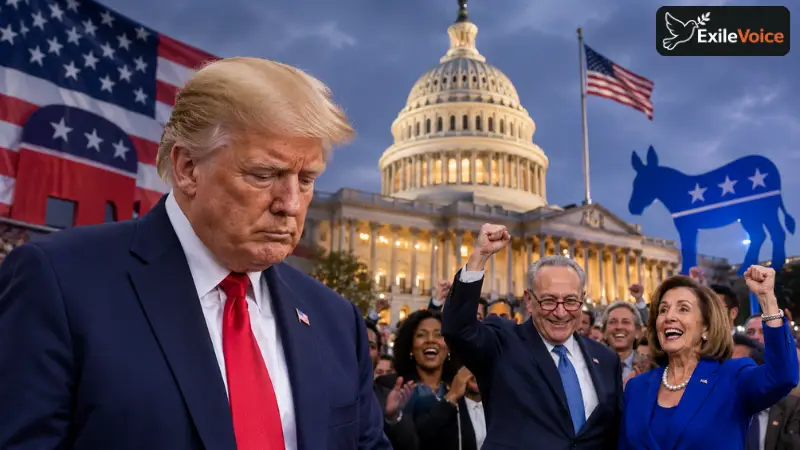
The recent political landscape in Washington has experienced a seismic shift, characterized by a decisive rejection of the incumbent administration's legislative agenda. Analysts have termed the outcome a political wave that has fundamentally altered the balance of power in Congress, resulting in significant legislative losses for the ruling party and a strengthened opposition majority in both the Senate and the House of Representatives.
The factors driving this electoral outcome are multifaceted, rooted deeply in domestic economic pressures and foreign policy divergences. Voters expressed growing frustration over inflation, rising fuel costs, and the economic toll of international conflicts. The administration's failure to deliver on core domestic promises while becoming increasingly entangled in overseas military endeavors created a profound disconnect with the American electorate. Consequently, several traditionally safe legislative seats in key states flipped, defying pre-election predictions and delivering a clear message regarding accountability and governance.
This monumental shift carries significant ramifications for international diplomacy and bilateral engagements. With legislative committees now operating under a divided government, executive overreach will face rigorous oversight and stringent checks and balances. Key administrative policies, trade agreements, and foreign alliances will require parliamentary endorsement, curtailing unilateral decision-making. Observers suggest that this recalibration in Washington will prompt a reassessment of foreign policy priorities, particularly concerning strategic partnerships and military engagements across various global theaters. As the new congressional session commences, the focus will inevitably pivot toward domestic economic renewal and legislative accountability.