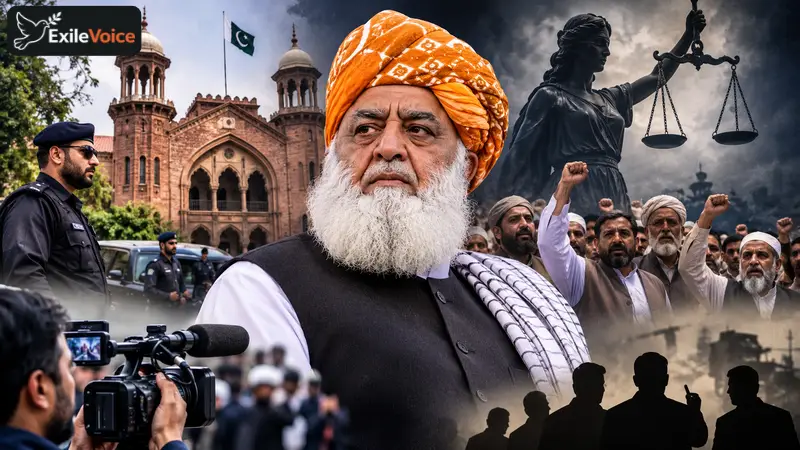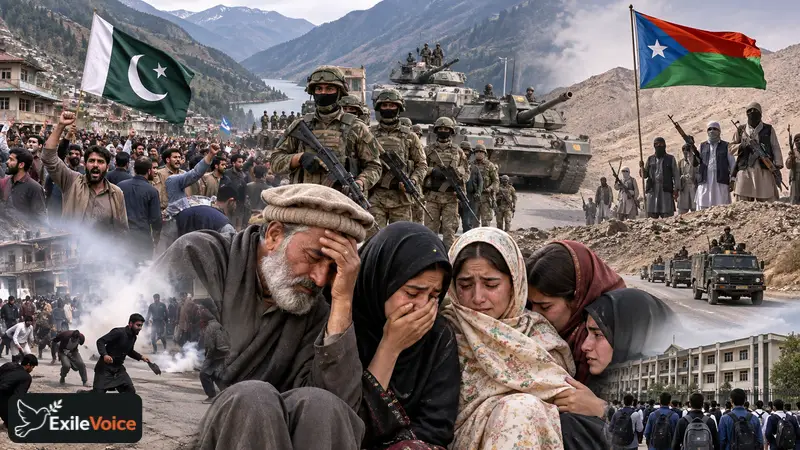

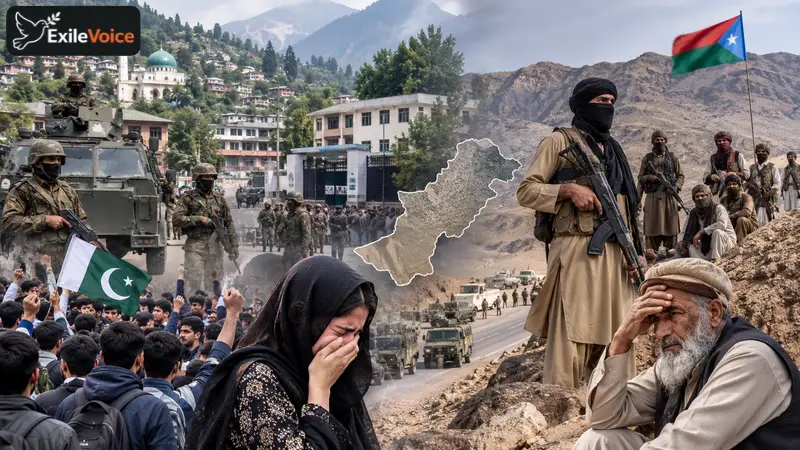
Reports coming out of Azad Kashmir indicate heightened security movements and political maneuvering as authorities prepare for potential large-scale operations. Ground reports and local accounts point to the closure of universities in areas such as Poonch and Mirpur, the relocation of students from hostels, and the deployment of security personnel, armored vehicles, and heavy equipment into sensitive zones. Observers note that a resolution or motion in the Muzaffarabad assembly is reportedly being pursued to provide formal political cover or apparent legitimacy for security actions.
This escalation follows recent protests and sit-ins, including deadly clashes in Rawalakot where demonstrators faced night raids and force, resulting in fatalities and disputed casualty figures. Grievances have deepened as families of victims join demonstrations across the region, raising fears that heavy-handed responses risk turning peaceful dissent into broader unrest. Analysts warn that relying on force rather than addressing underlying grievances often fuels cycles of retaliation and alienates local populations.
In Balochistan, the security situation remains volatile as political figures and families confront the human cost of prolonged conflict. Recent remarks by Akhtar Mengal questioned the viability of continued ties under current conditions, while reports emerged of young men, including a lawmaker's nephew who had been studying in Lahore, joining militant groups after returning home. Lawmakers have appealed to parents to monitor their youth closely as frustration and anger push some toward armed resistance.
Security officials and commentators debate how grievances reached this point, pointing to years of unresolved political disputes, collateral damage, and friction between security forces and local communities. When grievances go unaddressed and coercive measures intensify, trust erodes on all sides. Long-term stability in both Azad Kashmir and Balochistan depends on dialogue, accountability, and political solutions rather than reliance on force alone.