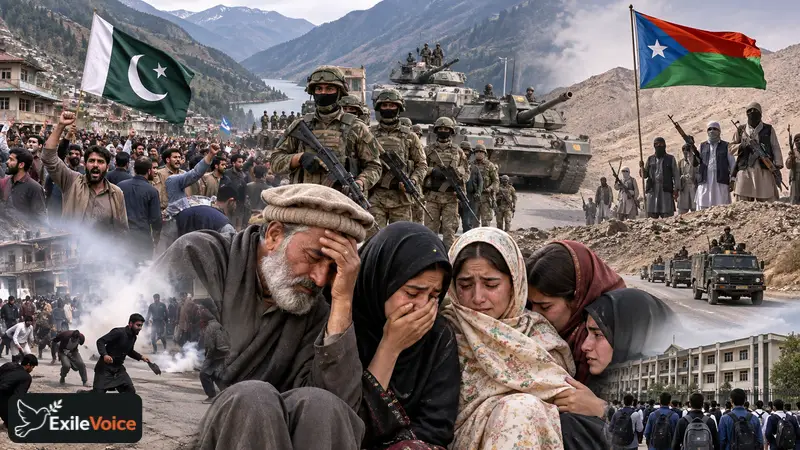

Public debate in Pakistan increasingly centers on how official narratives are shaped, how journalists report sensitive developments, and how major political actors position themselves amid economic strain. Observers tracking media directives note that state information campaigns often emphasize administrative initiatives, cultural events such as Baba Guru Nanak's 557th birth anniversary celebrations in Nankana Sahib, or local civic updates in Khyber Pakhtunkhwa, while critical stories receive far less coverage.
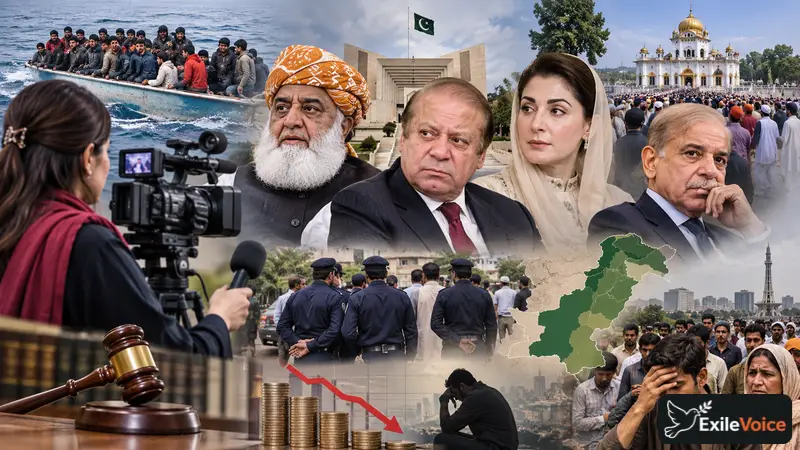
One major story drawing attention from independent commentators involves the tragic drowning of dozens of young men from Bajaur in a boat accident off Libya. Despite the human toll of irregular migration and remittance pressures on families, official responses and mainstream coverage have often appeared muted compared to state-promoted themes. Meanwhile, local disputes such as strikes by police peace committees in Kohat highlight ongoing friction over security roles and casualties.
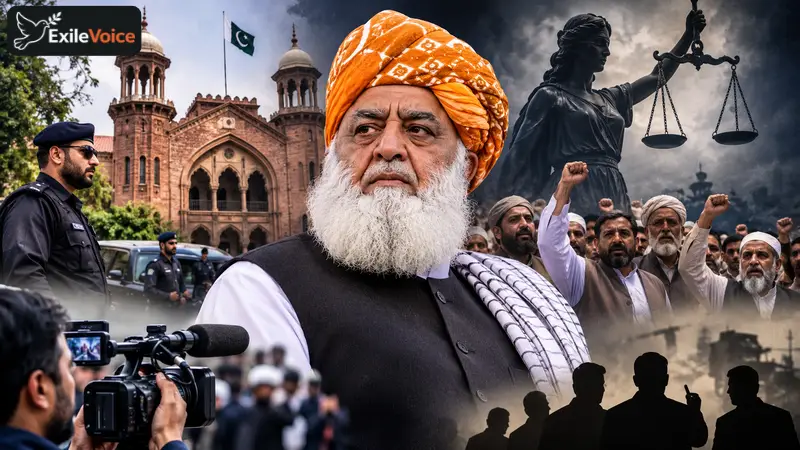
Journalistic standards and source reporting have also come under scrutiny following high-profile commentary on political figures such as Maulana Fazlur Rehman and political parties in Khyber Pakhtunkhwa. Legal scrutiny, including a Lahore High Court hearing regarding reported restrictions on Fazlur Rehman, has sparked debate over uneven judicial attention to rights and detentions. Critics argue that reporters relaying unverified claims or threats from unnamed sources without pressing for evidence or noting the lack of proof weaken public trust in journalism.
At the same time, political discussions are turning toward administrative restructuring, including renewed talk of creating new provinces and constitutional mechanisms such as referendums or constitutional benches. Survey findings pointing to widespread financial stress and mental strain among citizens frame why promises of structural change resonate with a struggling public. Alongside debates over provincial boundaries, ruling party figures have floated political prospects for veteran leaders like Nawaz Sharif while trading barbs over past statements and records.