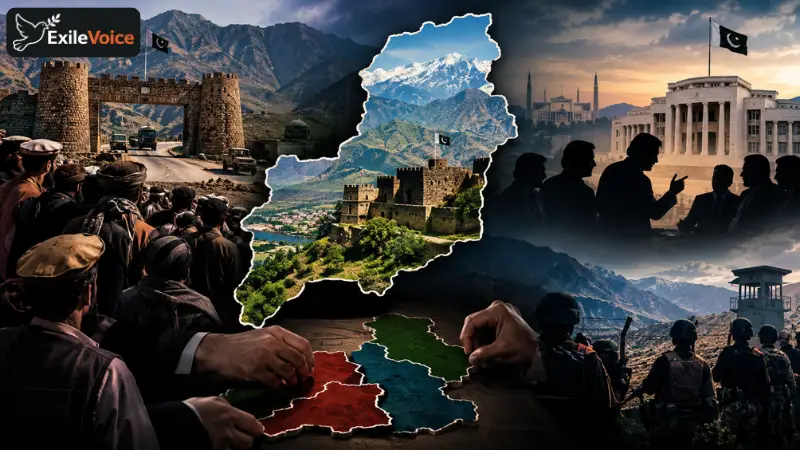
The intersection of bar politics and high-profile state governance in Pakistan has reached a critical flashpoint as preparations for the Supreme Court Bar Association election intensify. What began as routine political friction among competing legal factions has rapidly escalated into a wider public dispute involving high-profile political figures, controversial accusations, and personal attacks.
At the center of this latest political rift is Captain Safdar, who made public statements questioning the professional credentials of key legal figures, specifically targeting Ahsan Bhoon and demanding proof of legal qualifications from Punjab University records. Safdar's stance reflects the broader electoral divide within the bar politics between the Hamid Khan faction and the Asma Jahangir group. The Hamid Khan group, traditionally associated with principled constitutional advocacy, stands in direct opposition to the political establishment-backed bar leadership, which includes prominent figures such as Azam Nazeer Tarar. The rhetoric turned aggressive when lawyer Mian Dawood responded publicly on behalf of the opposing bar faction. In a series of sharp statements, Dawood launched harsh personal attacks, questioning not only Safdar's political motives but also raising controversial claims regarding the validity of Chief Minister Maryam Nawaz’s marriage and civil status. The severity of these remarks has drawn widespread interest due to the complete silence from standard party channels, political allies, and human rights organizations that usually respond swiftly to political slander.
Analyzing the broader context, analysts observe that the rift between political leadership in Punjab and powerful institutional actors is growing increasingly visible. Reports of previous friction between political officeholders and senior military leadership in Lahore suggest underlying power dynamics at play. When bar politics becomes the arena for proxy battles, the boundaries between legal governance, judicial independence, and state politics blur significantly. The upcoming bar election serves as a crucial barometer for the political orientation of the legal community and its alignment with or resistance to state authority.