
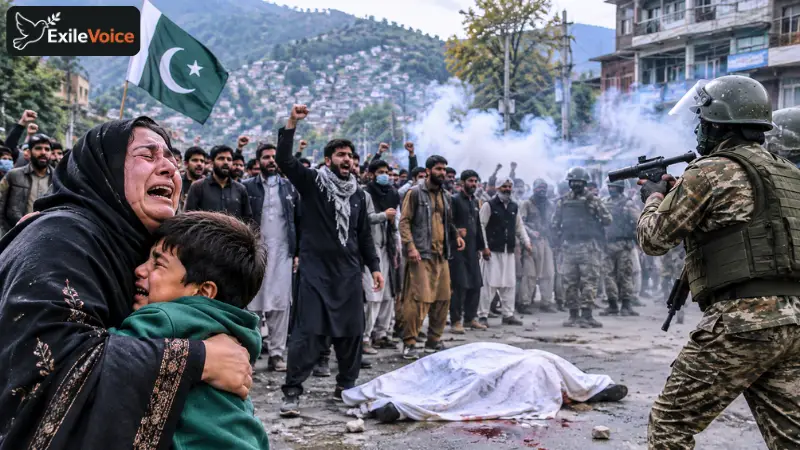
Recent developments in Rawalakot, Azad Kashmir, have brought severe turmoil to the region as peaceful civilian demonstrations demanding democratic representation and voting rights met with heavy security crackdowns. Reports indicate that multiple casualties, including children, have resulted from security operations near the central bus stand where citizens had gathered for prolonged protests. The escalating situation highlights deep-seated grievances regarding governance, civil liberties, and the handling of local demands by authorities.
The protests in Rawalakot reflect a broader pattern of civic discontent that has persisted across various administrative units. Residents have consistently called for transparent democratic processes, respect for electoral mandates, and accountable local administration. However, the use of force against demonstrators has intensified public anger, leading to widespread rallies and unprecedented demonstrations of public dissent. Educational institutions and local communities have mobilized to condemn the violence, pointing to the severe human cost of suppressing civic movements.
Observers note that the resilience shown by Kashmiri protesters under challenging circumstances sets a distinct precedent for regional resistance. Despite institutional pressures and security interventions, local populations continue to voice their demands for fundamental rights and self-determination. Analysts emphasize that sustainable resolution requires addressing the core socioeconomic and political grievances rather than relying on coercive measures, which only serve to deepen alienation and distrust among the populace.