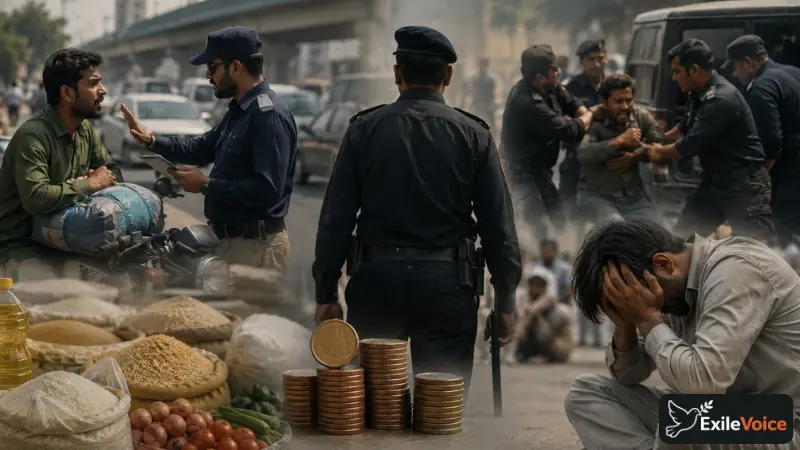
Beyond high-level political maneuvering, daily life for ordinary citizens in Pakistan continues to be heavily impacted by heavy-handed law enforcement practices and economic pressures. Recent reports highlight aggressive traffic policing tactics, where motorcyclists and daily wage earners face severe fines and administrative harassment under the guise of enforcing traffic quotas and vehicle regulations. In one widely discussed incident, a delivery rider carrying standard cargo was subjected to intense scrutiny and penalties despite possessing valid documentation, reflecting broader systemic issues within municipal traffic management. Such aggressive revenue-collection strategies by local authorities place an immense financial and psychological burden on working-class citizens who are already struggling with soaring inflation and high fuel costs.
Furthermore, accountability issues within law enforcement agencies remain a major concern, with recent controversies highlighting abuses of authority by local police officials. The economic strain is further compounded by unfulfilled promises regarding essential commodity pricing. Political and religious groups, such as Jamaat-e-Islami, have previously staged demonstrations demanding relief from high fuel prices, only to see costs rise further over time. These compounding pressures demonstrate a widening gap between institutional policy and the welfare of the general populace, fostering widespread public disillusionment with governance structures across the country.