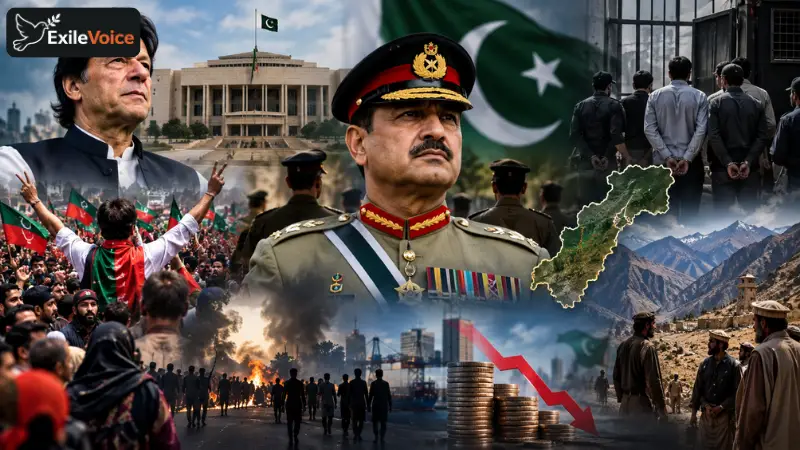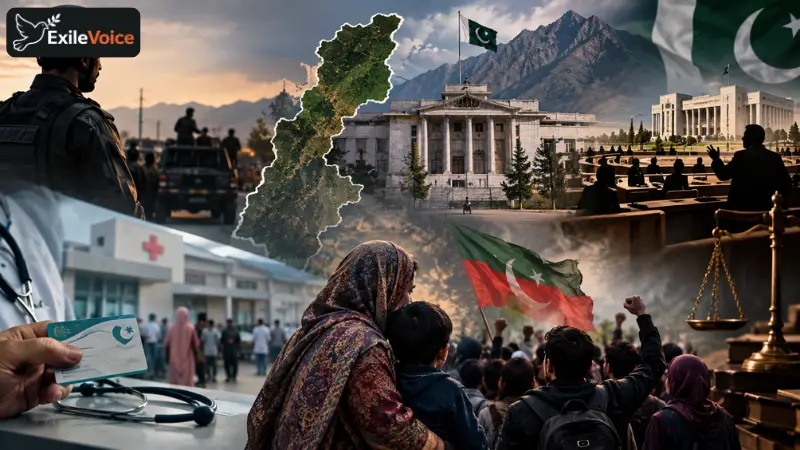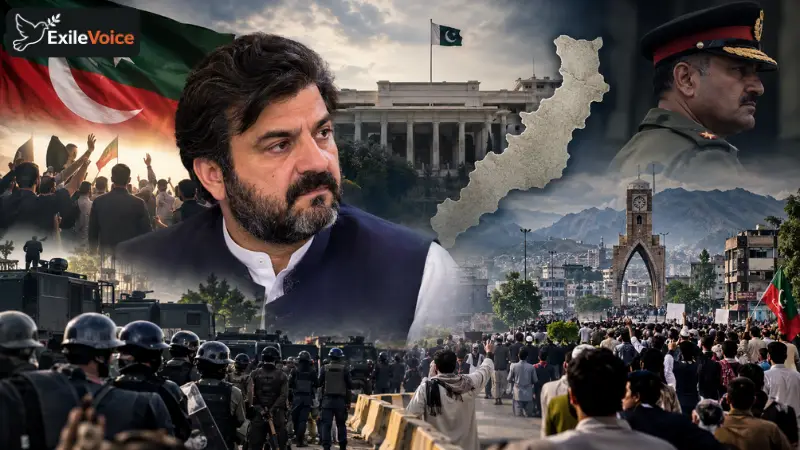
The political landscape in Pakistan has entered a highly volatile phase following the declaration of emergency rule and governor rule in Khyber Pakhtunkhwa. This dramatic escalation has brought provincial governance, civil military relations, and the future of Pakistan Tehreek-e-Insaf to the forefront of national discourse. At the center of this unfolding crisis is the intense speculation surrounding leadership whereabouts, particularly concerning key figures like Sohail Afridi, alongside escalating street demonstrations in Peshawar.
The imposition of emergency measures has triggered widespread concern among political analysts and citizens alike. Critics of the administration argue that suspending normal provincial governance undermines democratic frameworks and deepens polarization. On the ground, the situation in Peshawar reflects high public friction, with supporters and law enforcement navigating an increasingly tense environment. Visual documentation and ground reports depict a city on edge, where real-time imagery of protests underscores public resistance against the central authorities' sweeping decisions.
Furthermore, institutional friction has become starkly apparent. Reports indicate growing reluctance or refusal among certain segments of local administrative machinery to enforce contentious executive orders, highlighting fractures within the state apparatus. As key leadership figures remain unaccounted for or face strict security measures, the political opposition continues to rally public sentiment, utilizing digital platforms and public assemblies to challenge the legitimacy of the emergency decree. The coming days will be critical in determining whether constitutional channels can be restored or if the standoff will deepen provincial alienation.