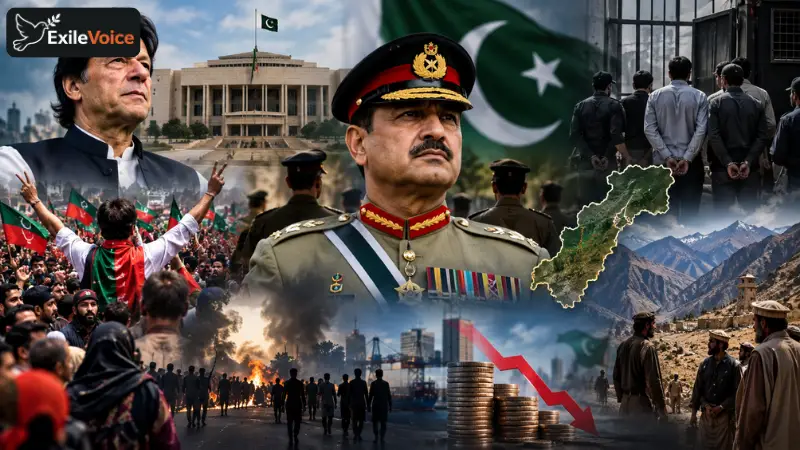
Recent developments in Pakistan's political landscape indicate intensified negotiations surrounding proposed constitutional amendments, prospective prison release offers, and the restructuring of provincial boundaries. Media reports and political analyses suggest that high-profile figures have engaged in extensive diplomatic and domestic consultations regarding governance reforms and potential administrative divisions.
Discussions regarding structural adjustments, including the creation of additional administrative units or provinces, have increasingly dominated political discourse. Key stakeholders within various political parties, as well as institutional actors, have expressed differing viewpoints on these potential changes. While certain factions argue that decentralized administrative structures could enhance local governance and administrative efficiency, opposing voices raise concerns over constitutional integrity and regional cohesion.
Simultaneously, reports regarding conditional terms for political detentions and international relocations have surfaced, highlighting the complex intersection of legal proceedings and political bargaining. Observers note that any prospective realignment of political alliances, particularly involving major opposition groups and ruling coalitions, will heavily depend on consensus-building regarding these fundamental governance questions . As legislative sessions continue to debate these sweeping adjustments, the trajectory of Pakistan's institutional framework remains a critical focal point for political analysts and legal experts alike.