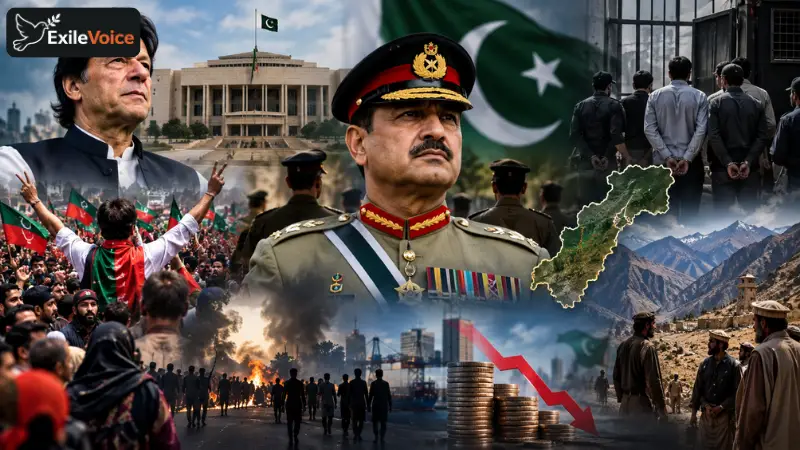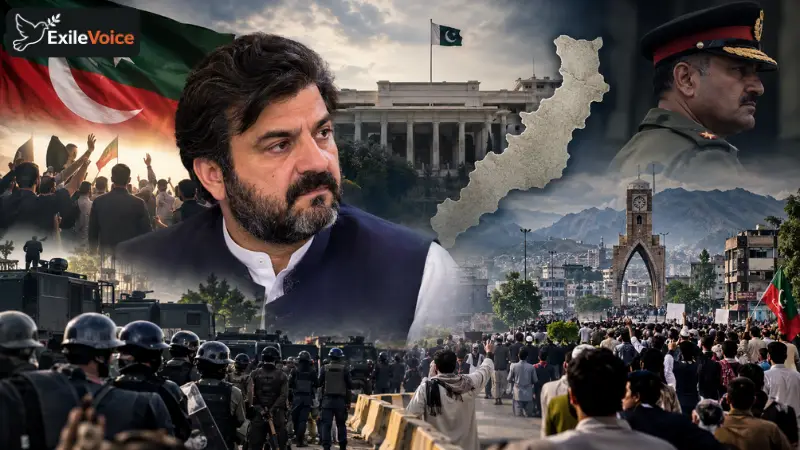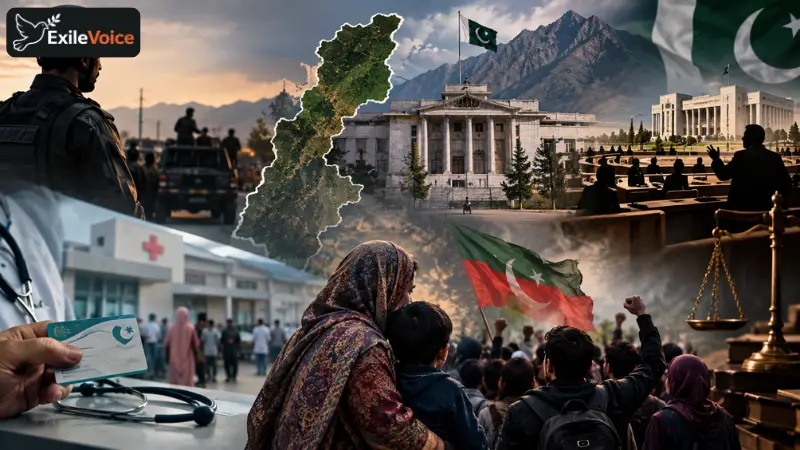
The imposition of emergency governance in Khyber Pakhtunkhwa marks a significant turning point in Pakistan's contemporary political landscape. This development has triggered intense debate regarding the future of mainstream political resistance, administrative continuity, and the protection of public welfare initiatives. Analysts note that administrative transitions often disrupt critical social programs, leaving vulnerable populations facing severe delays in accessing essential medical care and vital public services.
Central to the discussion is the suspension and subsequent investigation of public healthcare infrastructure, notably health cards and specialized medical facilities. Critics argue that abrupt policy shifts undermine established safety nets, exacerbating healthcare delivery challenges for citizens dependent on state-supported medical interventions. Furthermore, the political fallout has cast a spotlight on the cohesion of political parties and the efficacy of structured leadership responses during periods of institutional pressure. Grassroots workers and student federations have increasingly voiced concerns over accountability, demanding transparent communication and steadfast leadership alignment during critical moments.
The broader implications extend beyond provincial boundaries, affecting national political discourse and legislative alignment. While opposition factions and civil society organizations navigate evolving restrictions, the resilience of local political structures continues to be tested. Observers emphasize that sustainable political stability requires reinforcing democratic norms, protecting constitutional boundaries, and ensuring that governance remains responsive to the socioeconomic needs of the populace.