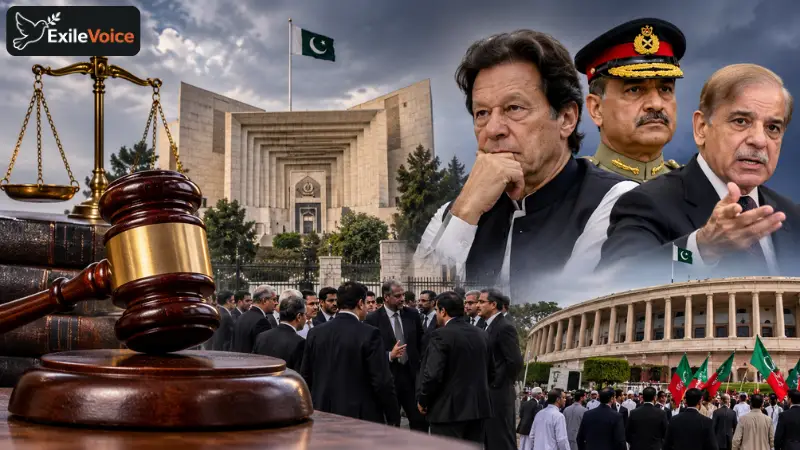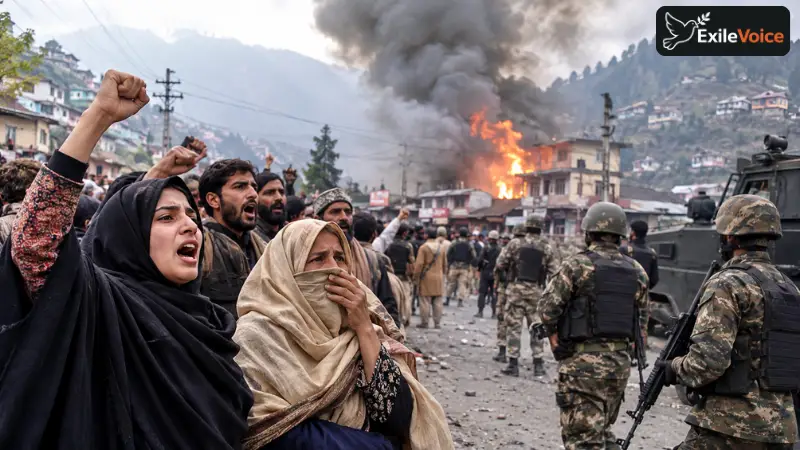

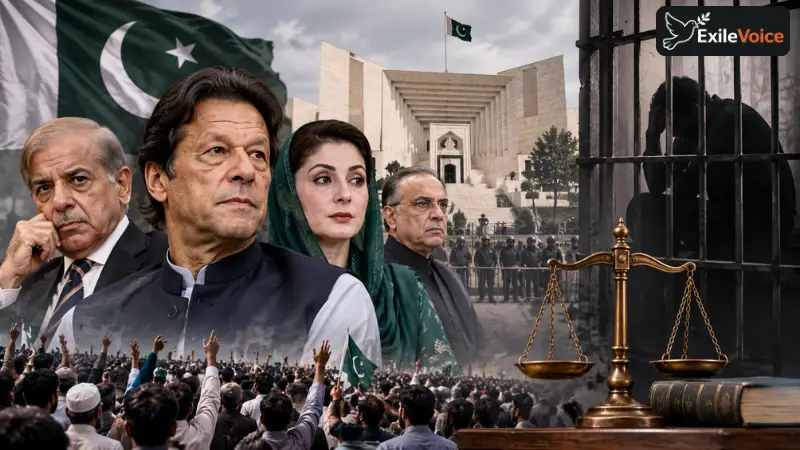
The political climate in Pakistan remains exceptionally tense, marked by mounting institutional friction, legal battles, and profound concerns regarding civil liberties and the treatment of political figures. Recent developments surrounding high-profile detainees have captured national attention, highlighting deep divisions within the country's governance structure and legal framework.
Human rights advocates and political analysts have expressed alarm over the conditions of detention for key political leaders, emphasizing the physiological and psychological toll of prolonged isolation. Reports detailing acute health complications among detained figures have intensified public scrutiny and led to coordinated calls from legal teams and family members for immediate medical intervention and judicial review. These developments have not only galvanized political opposition networks but have also placed intense pressure on the judicial system to uphold constitutional guarantees and fair trial standards.
Furthermore, the broader socio-political ramifications of these legal battles continue to reverberate across the nation. Legal practitioners emphasize the necessity of maintaining institutional independence and adhering to established legal precedents to prevent further polarization. As various political factions formulate strategic responses to ongoing detentions and upcoming judicial hearings, the overarching discourse centers on the preservation of democratic norms, freedom of expression, and the fundamental rights of citizens within the constitutional framework.